
Europe Goes Local is one of the clearest examples of what youth participation can look like when it’s real. EGL works where participation actually happens, in municipalities, youth councils, schools, and local communities. It helps cities and youth workers move beyond ‘inviting young people to meetings’ and towards involving them in decision-making in meaningful ways.
I’ve seen this as a mentor of EGL teams, and research backs it up: meaningful participation strengthens civic engagement and helps communities become more inclusive and resilient.
Over the years, I’ve had the chance to mentor several very different teams as a mentor in EGL. Some were a mix of young, inexperienced people and very experienced (sometimes very experienced) youth workers. And what became clear again and again is that the real value is not in transferring knowledge, but in creating a space where people slow down enough to actually hear each other. Where assumptions soften. Where roles disappear for a moment. And where learning happens in both directions.
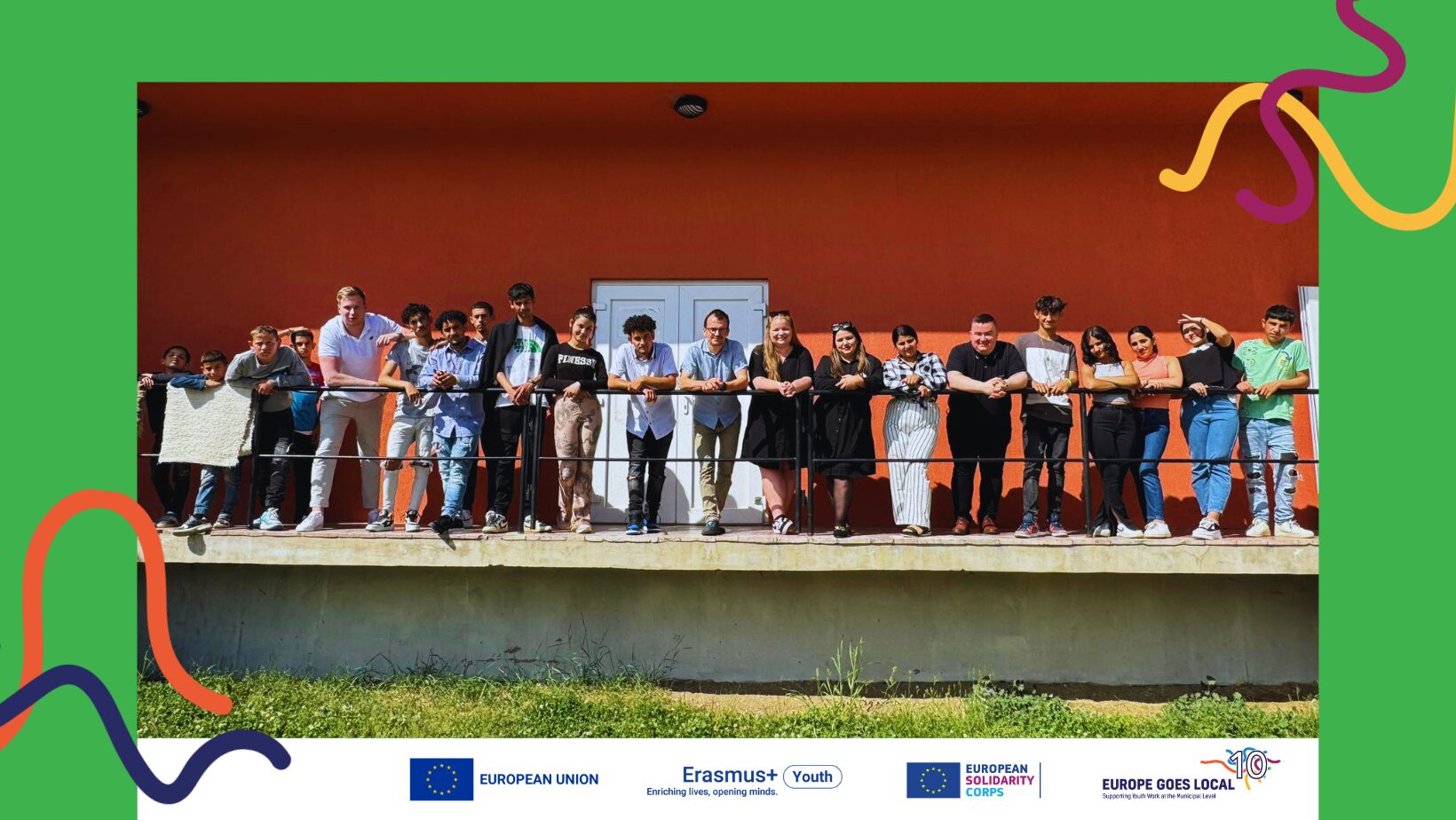
And last year, there was a team of young people from the Roma community in Jarovnice in Slovakia. Honestly, I’m still not sure who was mentoring whom. The level of energy, motivation, and ideas they brought was something rare. It was one of the most powerful experiences I’ve had. Jarovnice might be a small village in a small country, but what’s happening there is something many places could learn from: open communication, trust, and a real belief that change is possible.
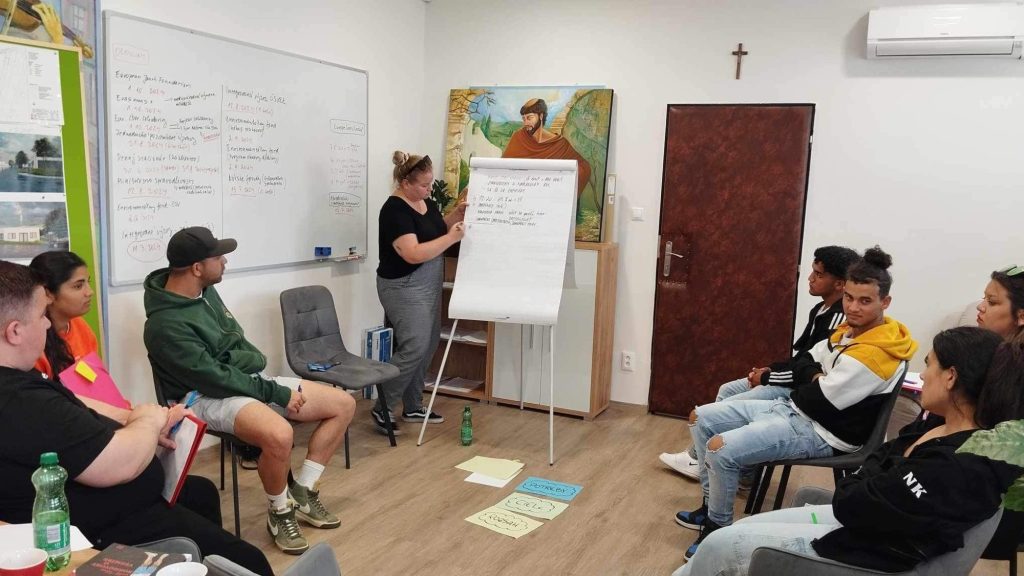
What stayed with me from Jarovnice is this quiet but powerful truth: when young people are truly trusted, when they are taken seriously, and when they are invited into real conversations with decision-makers, something shifts. And that’s maybe the part we don’t talk about enough.
Participation is not a method. It’s not a checklist. It’s a long, sometimes uncomfortable process of learning how to share power, how to listen differently, and how to stay in the process even when it’s messy.
It’s not always easy. It’s a process. And it builds something deeper: resilience, ownership, and real impact in local communities.
So my question stays the same: Are we ready to share space, responsibility, and power or just invite young people in?
—
The author of the article is Petra Papierníková, the president of EduEra Slovakia, an organization that empowers youth workers, coaches, teachers, and trainers. Petra worked as an EGL trainer/mentor in Slovakia in projects including Roma communities. One of the teams she mentored has been selected to present their work as a good practice example at the EGL conference in Tromso, Norway in June this year.