
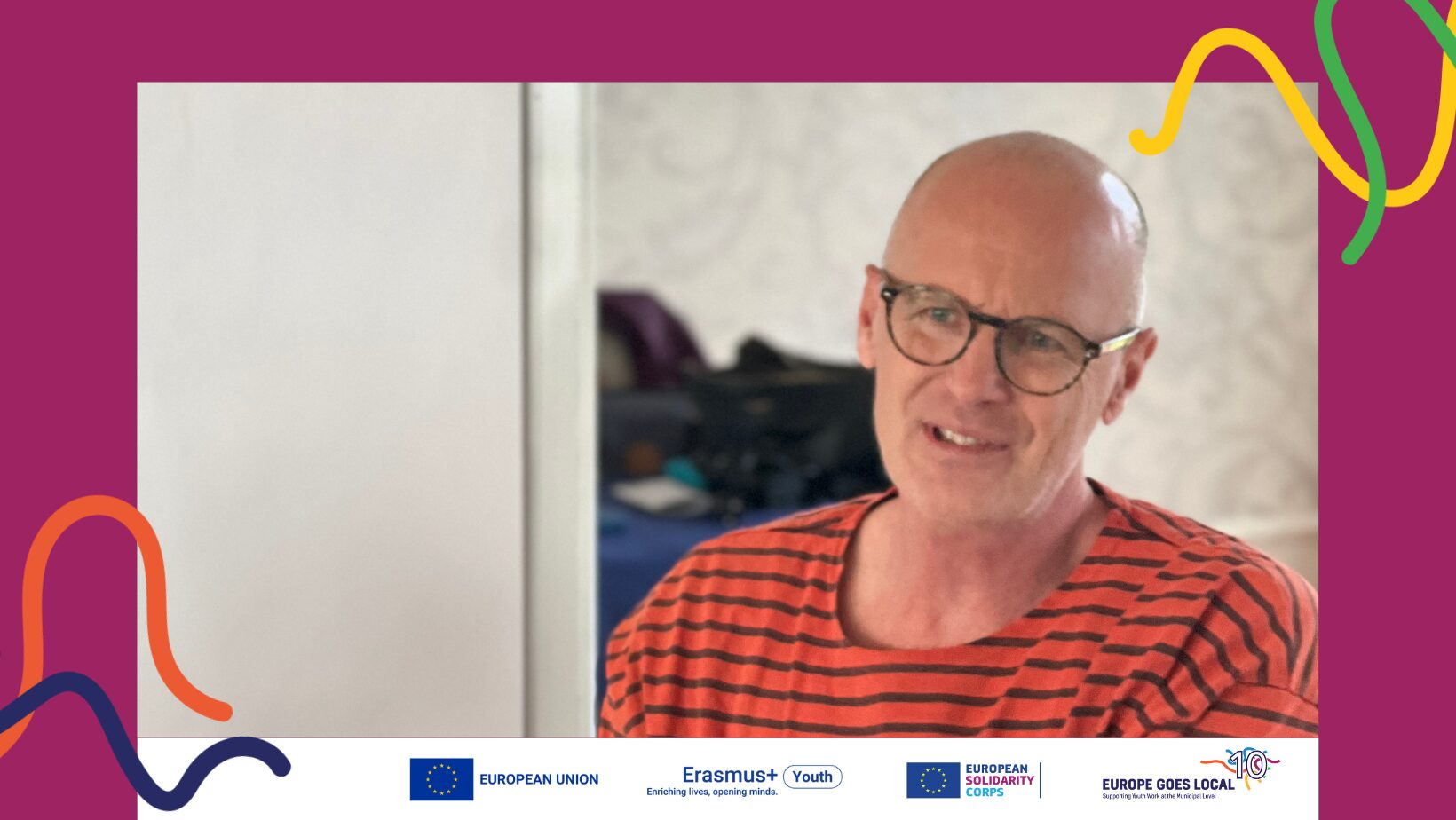
As we mark ten years of the Europe Goes Local network, and drawing on your role as a member of both EGL’s Steering Group and Advisory Board, how do you see the project’s contribution to improving the quality, practice, and recognition of local youth work?
Naturally, EGL’s contributions in these areas vary significantly across participating countries. Nevertheless, it is worth noting that in all countries, EGL has made a particularly significant contribution to the “Europeanization” of local youth work and to the better and more strategic utilization of the two European youth programs – Erasmus+ and European Solidarity Corps. Furthermore, in some countries, the impact on quality, practice, and recognition was substantial—especially in contexts where there had previously been little tradition of, or legal framework for, youth work.
In your opinion, why and how does EGL make a difference for the youth work at the local level?
It is, in particular, the platform-based nature of EGL that generates added value. Many—indeed, very many—local youth workers and others have benefited from EGL’s offerings, gaining opportunities for professional development and, above all, for exchanging ideas with like-minded colleagues from other countries and learning from one another.
In what ways does EGL help local youth work actors connect to Europe, and what added value does this European dimension bring locally?
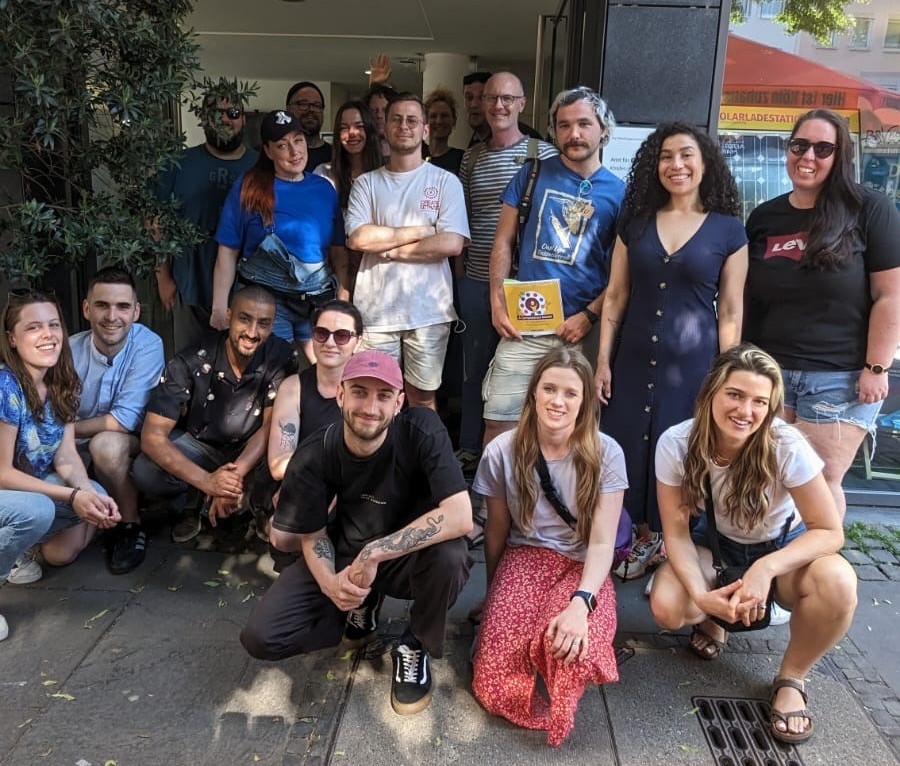
Local ocal youth work practitioners can utilize EGL to significantly enhance their professional skills and qualifications, thereby broadening their horizons. I have just returned from a study visit focused on youth participation in rural areas in Bavaria, where 20 youth workers from 13 countries spent four days exploring a wide variety of projects and approaches to youth participation, while reflecting together on the specific challenges inherent to engaging youth in rural settings. The feedback from the participants was overwhelmingly positive; they were able to step away from their daily routines for a few days, look beyond their immediate context, and gain fresh ideas and inspiration through their exchanges with European colleagues.
Regarding the national level, what are, in your opinion, the most important and memorable events that your National Agency, JUGEND für Europa, organized within the EGL offer context?
Of particular significance and success was the design and implementation of an initial pilot seminar titled “Europe as a Resource for Local Youth Work.” In February 2024, we brought together 25 youth workers and municipal staff members from Germany with the aim of bridging the gap between the European and local levels. The participants were encouraged to recognize the extent to which European processes and debates surrounding youth work are relevant to their own work—specifically how they can leverage them—but also, conversely, what they themselves can contribute to these processes. The seminar and the chosen methodology proved highly successful, inspiring us to scale the initiative up to the European level. Since then, a second seminar has taken place within a German-speaking context—involving Austria and Switzerland—and the first fully European seminar of this kind is scheduled to take place in Estonia in September 2026.
What was the most significant and maybe surprising knowledge you gained through the EGL context that proved to be valuable for your municipal youth work? What are the key skills and competencies that emerged?
During the above-mentioned seminar, it became clear that the themes and challenges of youth work being discussed at the European level align very closely with those in Germany. Many participants realized that, through their projects and content, they are—in a sense—automatically contributing to European youth work and, by extension, to the European Youth Work Agenda. And suddenly, the gap separating them from Europe no longer seemed so wide. Moreover, if one takes the step of discussing this directly—or implementing it within a joint project alongside colleagues from abroad—one finds oneself right at the very heart of European youth work.
—
Claudius Siebel has been working in a wide variety of roles for the German National Agency *JUGEND für Europa* since 2002. From the very beginning, he was responsible for the European project *Europe Goes Local* and its implementation in Germany. Currently, he serves as a Senior Officer for Network and Project Development.
Learn more and get in contact: