
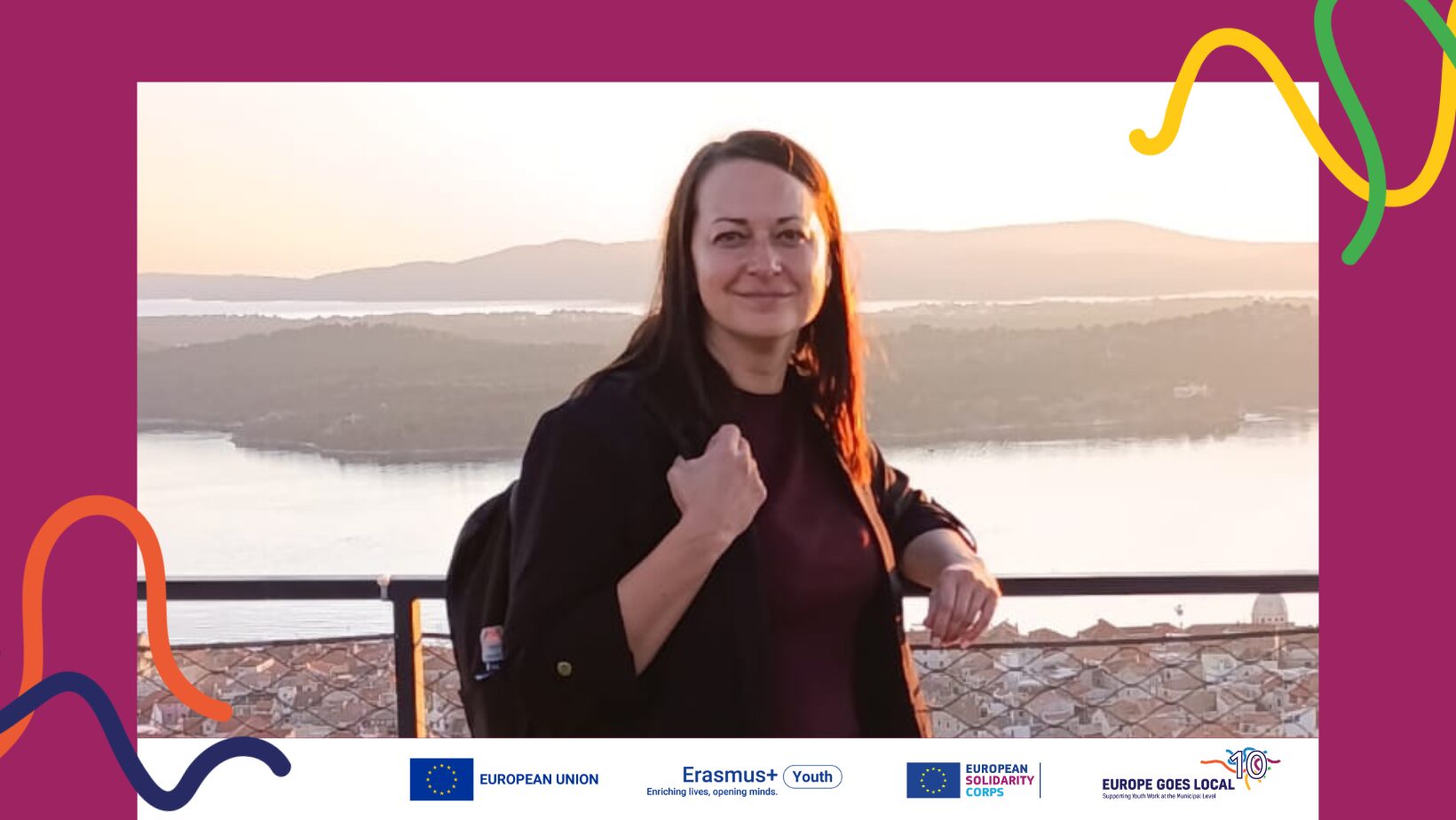
With ten years of the Europe Goes Local network project, we would like to ask you, as a member of EGL’s Steering Group and representative of the Latvian National Agency, to reflect on the project’s offer and its contribution to the local youth work.
The EGL offer can be described as a strategic and practice-based support system that strengthens the quality, development, and recognition of youth work at the local level. At the core is a shared European framework – the European Charter for Local Youth Work, which defines the principles of quality youth work, based on young people’s needs, participation, and non-formal learning.
Through this framework, EGL promotes: quality development (through guidelines, tools, and training),, improvement of professional practice (exchange of experience and competence development), and recognition of youth work (strengthening policy dialogue and advocacy). In this way, EGL acts as a bridge between policy and practice, ensuring that youth work in municipalities is grounded in data, principles, and shared European values.
How is EGL making a difference for the youth work at the local level?
EGL has a significant impact at the local level, as it:
• strengthens capacity – municipal specialists gain practical knowledge and competencies (for example, training modules, study visits),
• promotes a strategic approach – youth work is planned in the long term, based on data and priorities,
• provides tools and methods that can be immediately applied in practice (for example, working with at-risk youth, fostering participation),
• encourages cooperation and advocacy, helping youth work become more visible at the policy level. As a result, youth work becomes more professional, purposeful, and sustainable.
How is EGL as a partnership platform connecting local youth work to Europe, and what added value is this European dimension bringing locally?
EGL helps local youth work actors connect to Europe by creating a platform for cooperation, knowledge exchange, and the development of joint initiatives. This connection is facilitated through international conferences and study visits, international seminars, networking activities, collaborative projects, exchange of experiences, and access to European programmes Erasmus+ and the European Solidarity Corps.
This European dimension brings important added value at the local level. It introduces new methods and innovations, provides international experience and good practices, and offers a broader, comparative perspective on youth work. It also creates opportunities to build partnerships and attract resources. As a result, municipalities become more open and competitive, and are better equipped to develop higher-quality youth services.
Regarding the national level, what are the most important and memorable events organised within the EGL context?
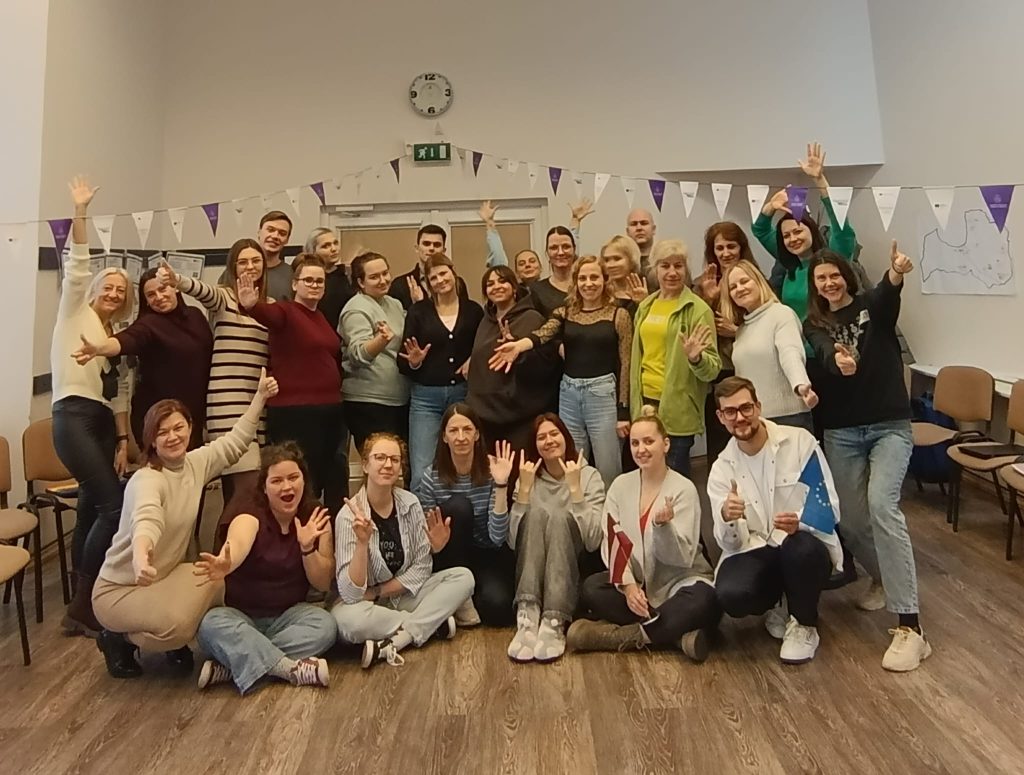
At the national level, significant activities organised by the Latvian National Agency within the EGL context combine strategic development with practical support. The modular training programme for municipal representatives has played an important role in strengthening competencies in youth work. It covers topics such as strategic planning, methods, inclusion, mental health, work with at-risk youth, and advocacy, and continues in 2026 with additional mentoring support for Erasmus+ project development. After the 2024/2025 modular training programme for municipal representatives, three Erasmus+ strategic partnership projects were submitted and approved.
Another important achievement is the Youth Work Resource Mapping tool, which serves as a practical instrument for stakeholders involved in youth work. It supports planning, improves coordination, and helps municipalities better understand and use available resources.
The National Agency also supports the “Latvian Youth Capital” competition, while EGL provides content-related support for Youth Council gatherings and networking activities for youth workers, strengthening cooperation and participation.
Among the most notable events are the 2022 international study visit “Youth Workers’ Well-being” with participants from 10 countries, participation in EGL conferences in Romania (2022) and Sweden (2023), the 2024 webinar on effective Youth Councils, and the 2025 international seminar on the European Solidarity Corps.
Overall, these activities stand out due to their practical relevance, strategic focus, and strong connection between local, national, and European levels.
What was the most significant and surprising knowledge you gained through the EGL context that proved to be valuable for your municipal youth work? What are the key skills and competencies that emerged?
One of the most significant and also surprising insights in the EGL context is the realisation that the quality of youth work can be systematically developed using structured tools and strategies, that the well-being (both of young people and youth workers) is a central quality factor. And also that the European programmes (such as the European Solidarity Corps and Erasmus+) can be practically and easily integrated into municipal work.
The main skills and competences developed include project development and management, youth advocacy and lobbying for youth work, building cooperation and partnerships with the youth work stakeholders, working with different target groups of young people, and introducing innovation and attracting resources for a better quality of youth work.
These competences significantly strengthen municipalities’ capacity to ensure high-quality and sustainable youth work.
—
Liva Karlsone is Project manager of the international cooperation and support division in the Agency for International Programs for Youth of Latvia.