We interviewed Marta Daniela Costa, Head of the Youth Division in Valongo City Council – Youth Centre in Portugal. We wanted to learn more about a cross-generational approach to youth work and inspiring practice that came to life through their project called Gen Z Teaches.
What is the Gen Z Teaches program about? Could you describe the key objectives of the project, participants, and shed some light on the results achieved?
‘Generation Z Teaches!’ is a winning project in the Generations category of the 9th Valongo Youth Participatory Budgeting scheme. The project set clear objectives, and they can be summarised around the following three clusters:
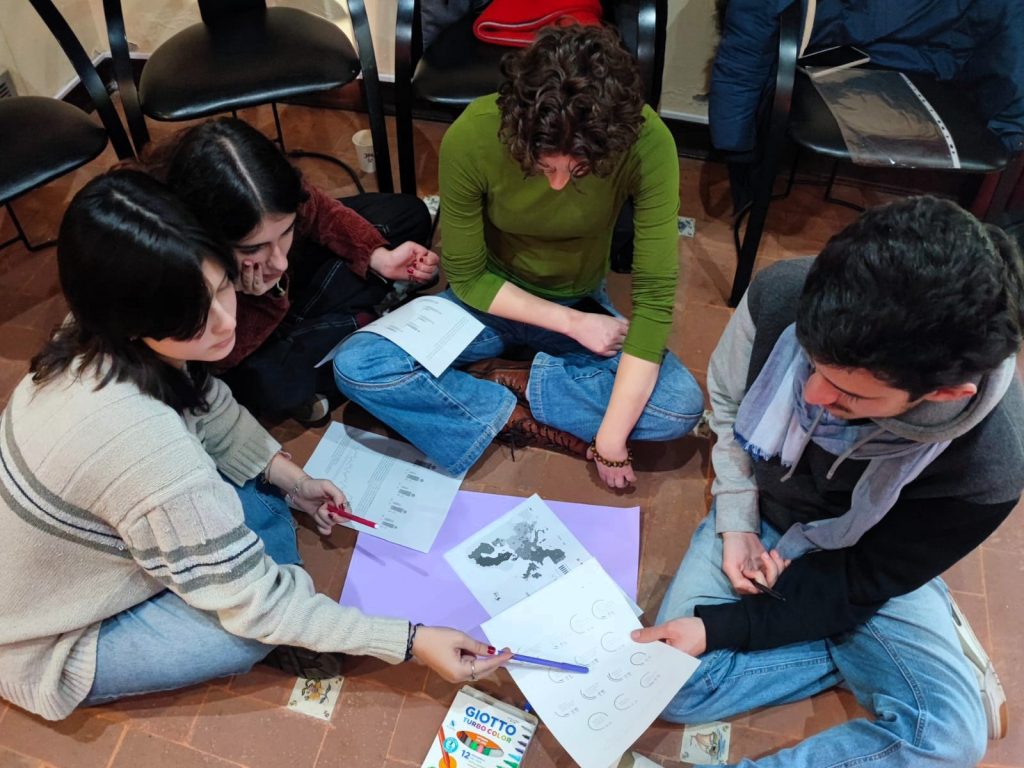
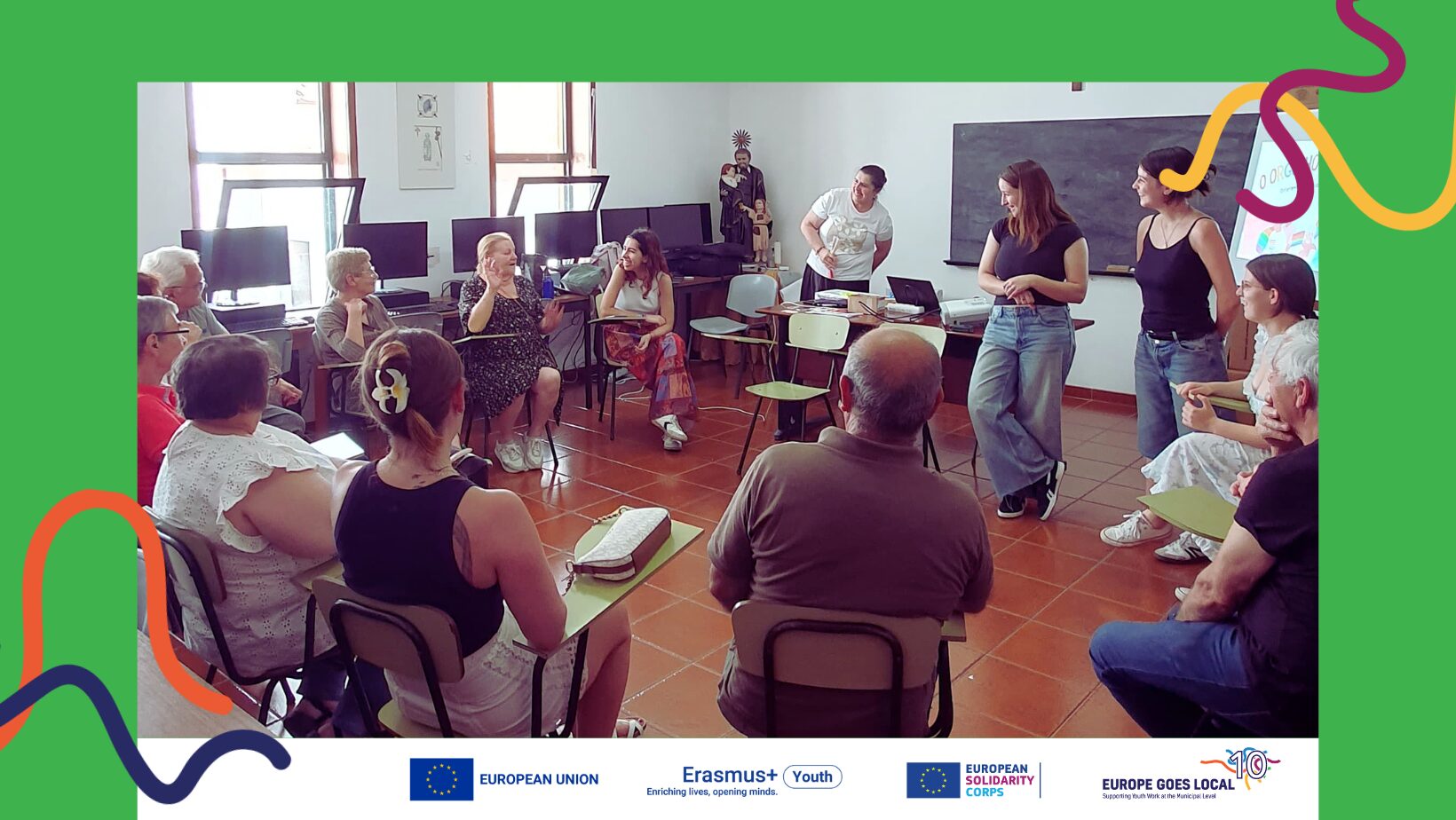
The project is helping young people learn about and deconstruct preconceived ideas concerning racism, xenophobia, LGBTQIA+ issues, and gender equality. At the same time, the youth were invited to develop new skills needed to communicate this knowledge to older people through non-formal education.
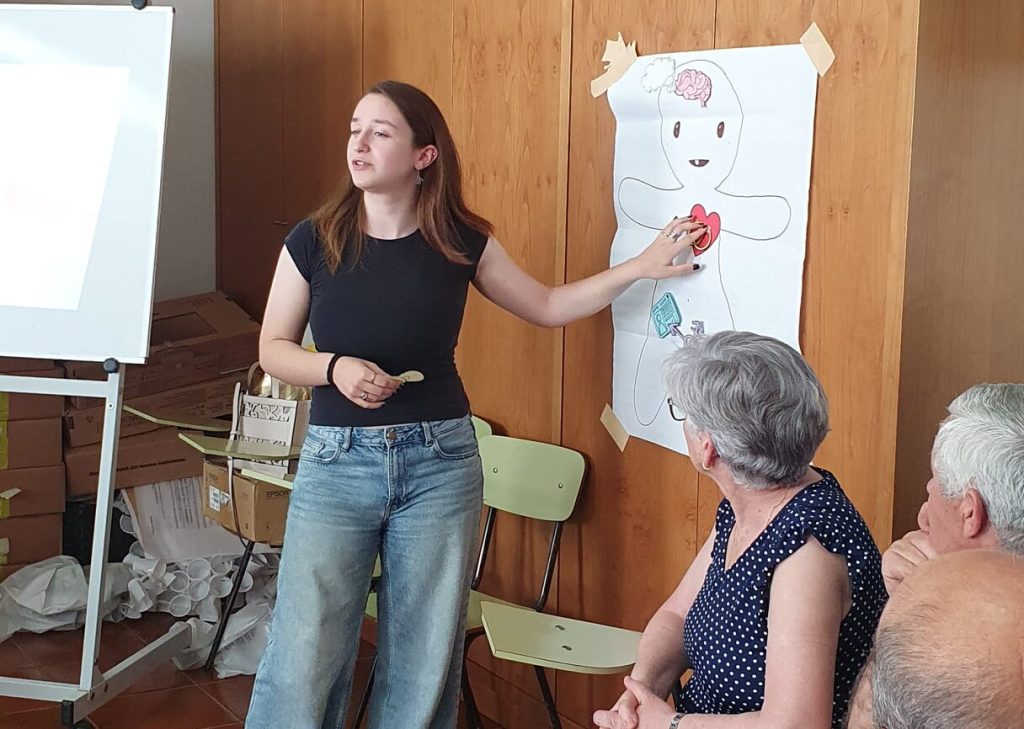
This project was implemented with the help of a Youth Umbrella NGO: Federação de Associações Juvenis do Distrito do Porto. The project is structured into modules, the first of which focuses on non-formal education and is compulsory for all participants. The subsequent three modules are optional and address specific topics (racism and xenophobia, LGBTQIA+ issues, and gender equality), enabling participants to select the ones that interest them the most. Finally, young people are supported by activists and youth leaders in developing and delivering sessions on these topics to older people.
We are happy to share some of the outcomes and results:
• 25 young people have been empowered through this process and can now promote human rights values.
Empowerment of young people, who felt encouraged to discuss these topics with elders and were surprised by how open and receptive people were, despite having different values. New topics were raised by the seniors for future sessions with young people.
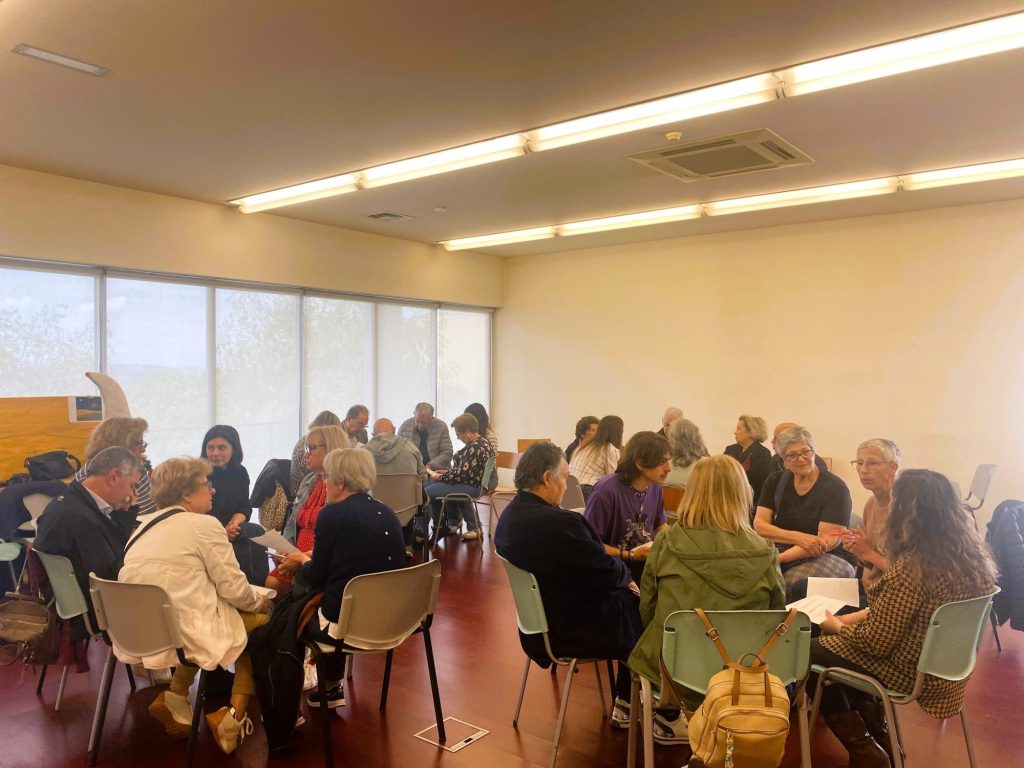
• Until now, 82 senior citizens have taken part in the project through four different sessions in three parishes in the territory, fostering dialogue and mutual understanding between young and older people and building bridges between different life perspectives.
• Strengthening youth associations in the municipality: two young people involved in the Gen Z Teaches project submitted two different versions of the project to the 12th Valongo Youth Participatory Budgeting (VYPB) scheme. They want to help the project develop and also train other young people. Voting will take place in December, so we are not sure if the project will be one of the winners. However, if it is not successful, they can apply for other national funding.
What are the challenges in youth work in your municipality when it comes to the topic of active citizenship, inclusion and diversity, and gender equality in general?
Democratic societies face complex and interlinked challenges: populist and demagogic phenomena, the destructive use of disinformation and technology contribute to political and social polarisation, threaten pluralism, undermine democratic resilience and hinder participation. At the local level, inclusive institutional spaces remain scarce, the contributions of children and young people are often undervalued, and adult perspectives dominate, speaking for young people rather than with them. Added to this are the difficulties of intergenerational dialogue, socio-economic inequalities, and the fragmentation of collaboration between sectors and entities working with and for young people.
In Valongo, the democratic involvement of children and young people has become a municipal priority with regular initiatives such as the Children’s Council, the Valongo Youth Participatory Budgeting and the Municipal Youth Council. Some barriers remain, such as adult-centred decision-making, sectoral fragmentation, a lack of intergenerational dialogue and persistent socio-economic disparities, as well as the difficult inclusion of under-represented groups. These affect the outcomes and inclusiveness of local democratic processes. In this context, growing cultural diversity, driven by a young and expanding immigrant population, makes interculturality a key goal in inclusion and participation policies.
The challenges and concerns we face daily include how to move from symbolic participation to effective participation, how to co-design new mechanisms and collaborative practices that strengthen intergenerational dialogue, how to integrate youth perspectives into local governance, and how to make democratic participation a concrete and transformative experience for all children and young people, resulting in structural changes, increase the number of few co-planning and co-decision initiatives.
The ‘Generation Z Teaches!’ project stands out as an initiative that emerged directly from the needs felt by young people themselves, rather than from external perceptions conferred by experts or adults. This genuine focus on the voice of young people makes the project particularly relevant and effective, as it works directly with the concerns, interests and challenges that young people identify as priorities in their daily lives.
Unlike traditional approaches, which are often designed based on the views of experts or adult decision-makers on the needs of young people, ‘Generation Z Teaches!’ is based on a participatory and inclusive methodology, in which young people are active protagonists from conception to implementation. This ensures that the issues addressed — such as racism, xenophobia, LGBTQIA+ rights and gender equality — are perceived by young people as urgent and relevant, reflecting their reality and aspirations.
This model contributes not only to the motivation and involvement of participants but also to the construction of more authentic and sustainable solutions and learning, strengthening youth citizenship and promoting intergenerational dialogue based on a realistic and empathetic foundation, rather than distant adult assumptions.
Therefore, we can say that ‘Generation Z Teaches!’ is a project that brings the youth agenda to the centre of political and social debate in Valongo, placing the real needs of young people at the forefront of youth policies and educational actions.
What were the key phases of the project?
The main stages of preparation and implementation of the ‘Generation Z Teaches!’ project are:
Preparation stages
Implementation phase
The training programme for the ‘Geração Z Ensina!’ project in the municipality of Valongo is structured in modules:
Compulsory module: Non-Formal Education
Compulsory for all participants. It focused on developing communication skills, knowledge sharing and non-formal education techniques to deconstruct prejudices and engage in dialogue with older generations.
Optional modules (chosen by each participant):
At the end of each session, the young people had the support of the trainer to create a session plan, tailored to their needs and interests, and received mentoring for this purpose from technicians with experience in non-formal education on these topics.
During implementation, the young people were accompanied by members of the FAJDP and municipal youth workers
This flow reflects a typical VYPB project model: from community idea to participatory implementation, with continuous evaluation for sustainability.
Tell us more about the importance and goal of the cross-generational aspect in this project (youth/ seniors involved together)?
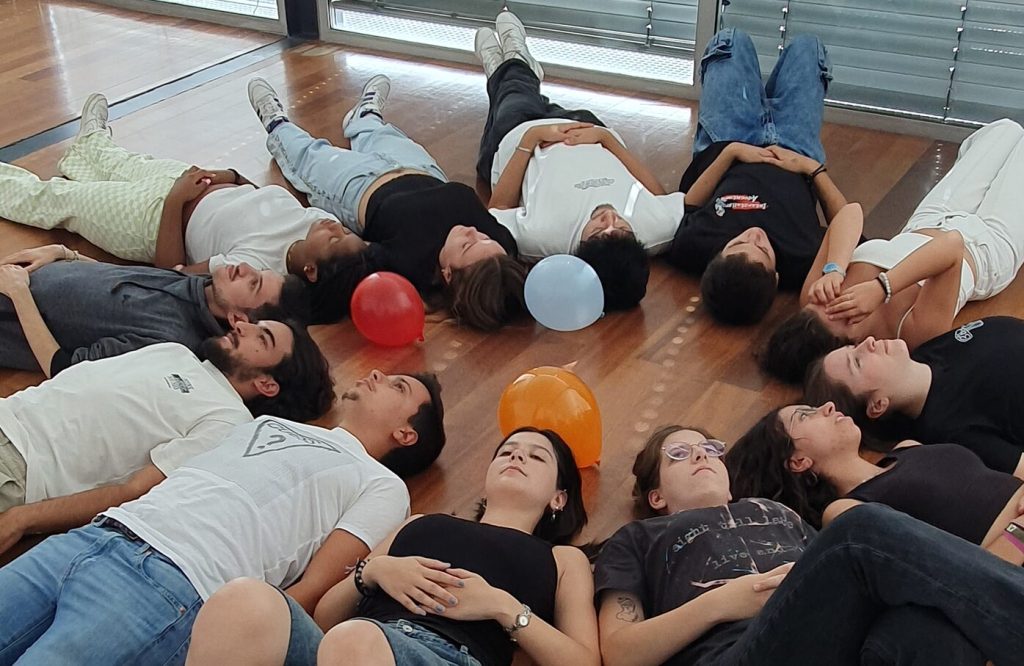
The intergenerational axis of Valongo’s Municipal Youth Plan (PMJ) is one of the cross-cutting pillars of the 2024-2034 strategic document regarding youth, which aims to promote interaction, dialogue and cooperation between different generations in the municipality.
This axis recognises that the exchange of experiences between young people and senior citizens is fundamental to the personal and collective development and enrichment of all. The main objectives are: to reduce the social isolation of different age groups.
Learn more and get in contact: