This year at our European event in Tromsø, Norway, we were inspired by Sorina Carmen Văcariu, program manager of the youth organization Asociația Sprijin și Dezvoltare (Support and Development Association) from Romania. She presented the project The Key to the Future, and the audience could learn how they developed and successfully implemented an integrated community-based model for social inclusion and youth participation. The project addresses major challenges faced by Roma communities and other vulnerable people living in similar conditions in Romania: limited access to early education, high risk of early school leaving, reduced access to health services, and low civic participation among young people.
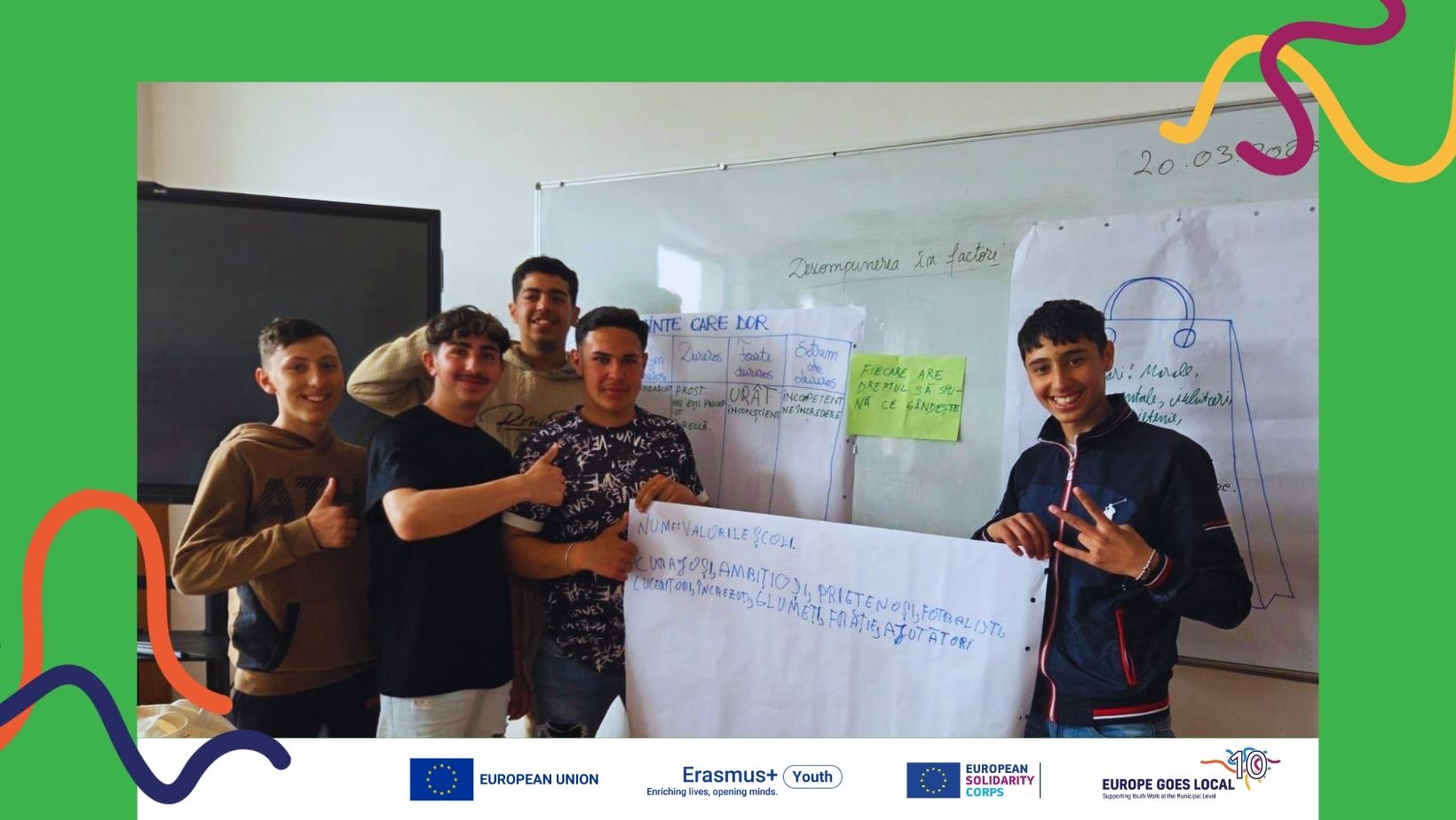
In a rural community, opportunities for young people are often shaped by distance, transport, family resources, and whether there is a trusted place where they feel welcome. In Budila, we brought youth work into the places young people already know: the school and community spaces. We did not expect young people to come to an office, understand institutional language, or immediately speak in a formal meeting. We began with educational support, sports, creative and personal-development activities, and conversations about their everyday experiences.
Regular contact helped build trust with young people and their families. From there, we could discuss rights, discrimination, school participation and local decisions in ways that made sense to them. Youth workers encouraged participants to identify problems, propose activities, and talk to the school and municipality. The local partnership matters: Budila Municipality was the project promoter, our association was a partner, and the school remains involved. By connecting these actors, young people have a route for their ideas to reach people who can respond. Activities continue after the initial project period, so participation becomes a relationship rather than a one-off invitation.
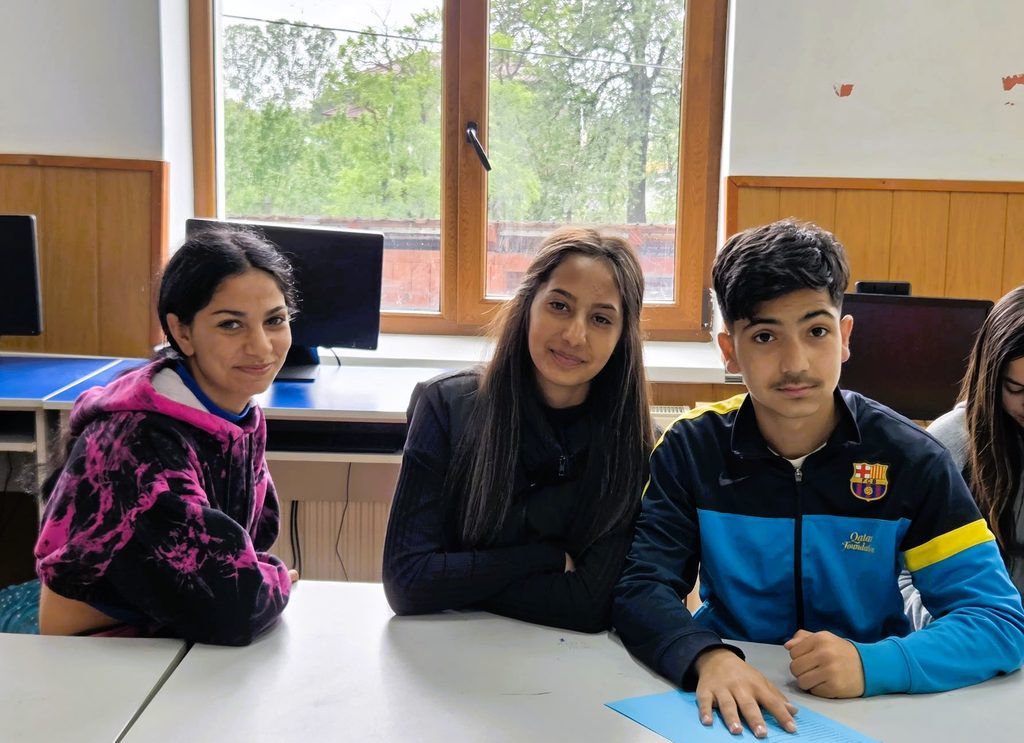
The model connects services, learning and participation around the needs of children, young people and their families. The project combined access to early childhood education and preventive health services with educational support, school and vocational guidance, sports, personal development, parental education, employment support and community involvement. A kindergarten, a primary healthcare office and a dental office were established through the project. These services addressed practical barriers that can otherwise prevent young people from taking part in learning and community life.
The distinctive element is that people were involved in shaping responses, not only receiving services. Roma women and young women took part in empowerment activities and initiative groups. Young people developed confidence, communication skills and a stronger sense that their views matter. The municipality, school and association worked together, each bringing different responsibilities and relationships. We continue to use this partnership in the sustainability phase through activities on human rights, bullying prevention, healthy communication, sports and cultural dialogue. One key lesson from our experience is that sustainable change happens when we work not only with young people, but also with the people and institutions around them: families, schools, local authorities and community organisations. An educational difficulty, a family concern and a lack of voice in local decisions are often connected in real life. This is the heart of our community-based model.
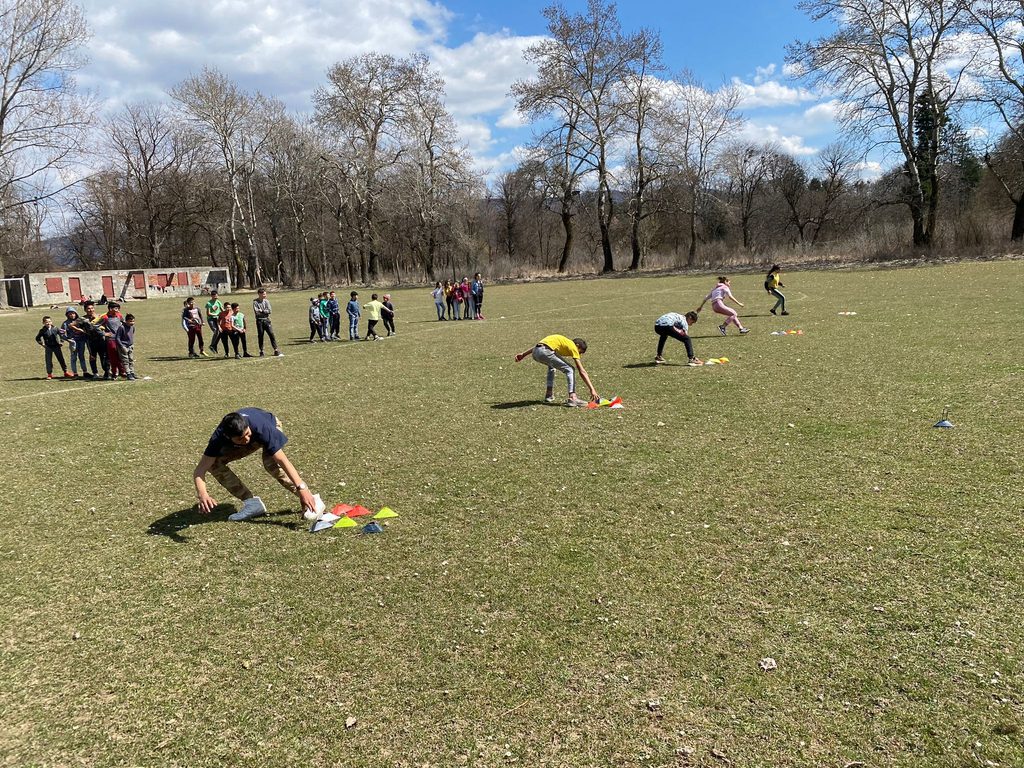
It means starting with listening and returning consistently. A young person who misses school may need more than a reminder to attend: we need to understand the family situation, access barriers and whether the child feels safe and respected. We work with parents and teachers, offer practical support and use non-formal activities where young people can speak without fear of being judged. Sports, movement, group tasks and discussions about rights or bullying create opportunities for young people who would not necessarily speak at a public consultation.
Family involvement is especially important. Parental education and support for Roma women and young women helped build relationships that made it easier for children to participate. We also invited residents to form initiative groups, discuss what their community needed and formulate proposals. Ten community initiatives were submitted through these groups. This is what inclusion looks like to us in daily work: accessible activities, time to develop trust, attention to different needs, and a path from someone’s idea to a conversation with the institutions that can act on it.
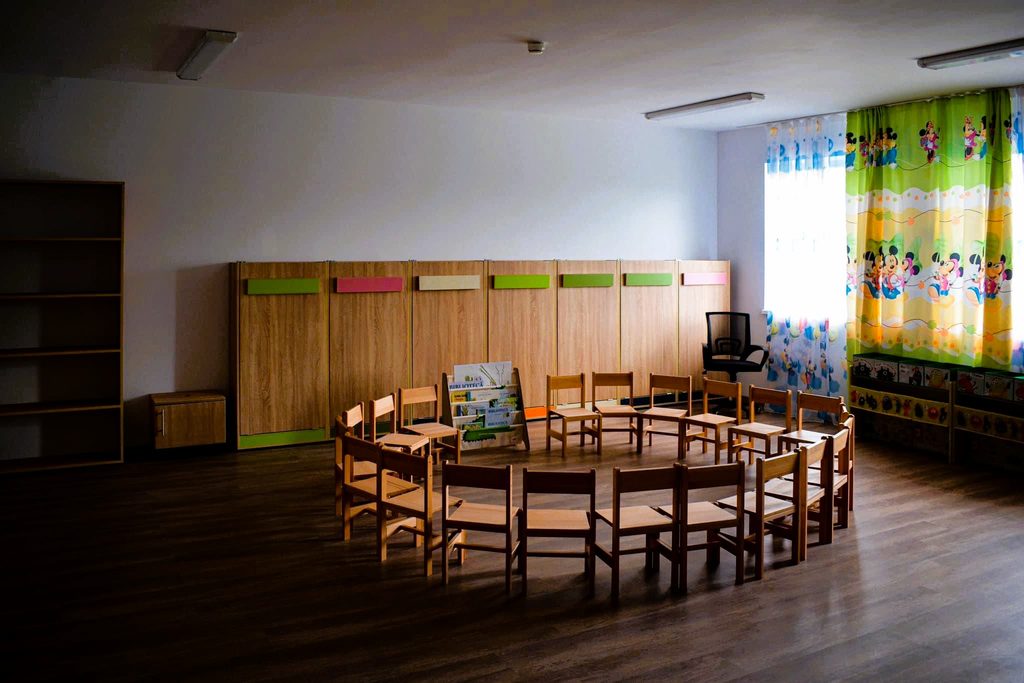
Many Roma families in Budila faced marginalisation and isolation from services, opportunities and local decision-making. The project addressed these barriers step by step. Access to education and healthcare created a more stable starting point; regular youth activities and support for families built trust and confidence. Young people began to take a more active role in educational and community activities, contribute ideas and help shape what happens next. Roma women and young women joined initiative groups where they discussed priorities and organised action. Community members submitted ten initiatives, moving from needs that were often unheard to collective proposals that could be discussed with local institutions. This is a real shift from marginalisation towards participation, and it needs continued work so that their voices remain part of local decisions.
Other municipalities can adapt the approach, but should begin with local listening rather than copy a list of activities. They need a committed local authority, a school, a community organisation with trusted relationships and time for residents to decide what matters to them. The combination of practical services, consistent youth work, family engagement and channels for community proposals is transferable. The particular activities, pace and resources must be designed with each community.
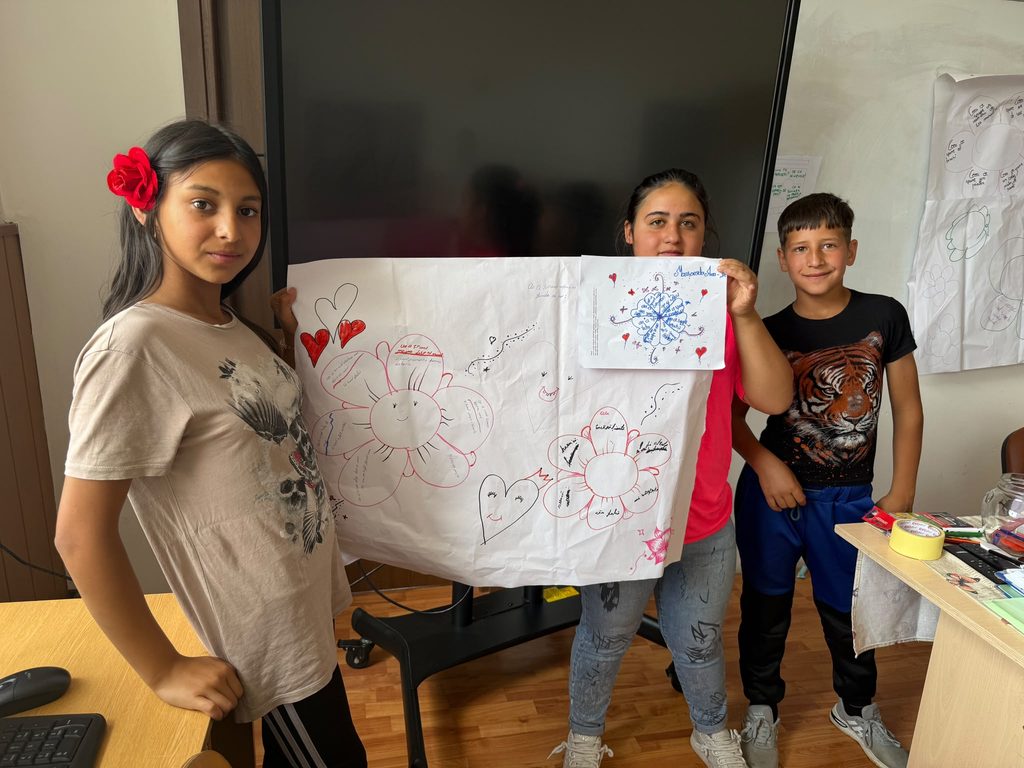
European programmes can give local partnerships the time and resources to try methods that a small rural organisation or municipality could not develop alone. Just as valuable, EGL makes local youth work visible and connects people facing similar challenges in different places. In Tromsø, presenting Budila alongside other practices helped us place our experience in a wider European conversation about youth participation in remote communities.
My main takeaway was that meaningful participation is built close to where young people live, through trusted relationships and cooperation with local authorities. A rural location does not mean that young people have fewer ideas or less capacity to lead. They need accessible opportunities, supportive adults and institutions willing to listen and respond. I also came away with new contacts and methods to explore. For us, the next step is to strengthen youth-led participation in Budila, support young Roma people who want to establish their own organisation, and share this community-based model so that other municipalities can replicate and adapt it to their local context.
Get in Contact: