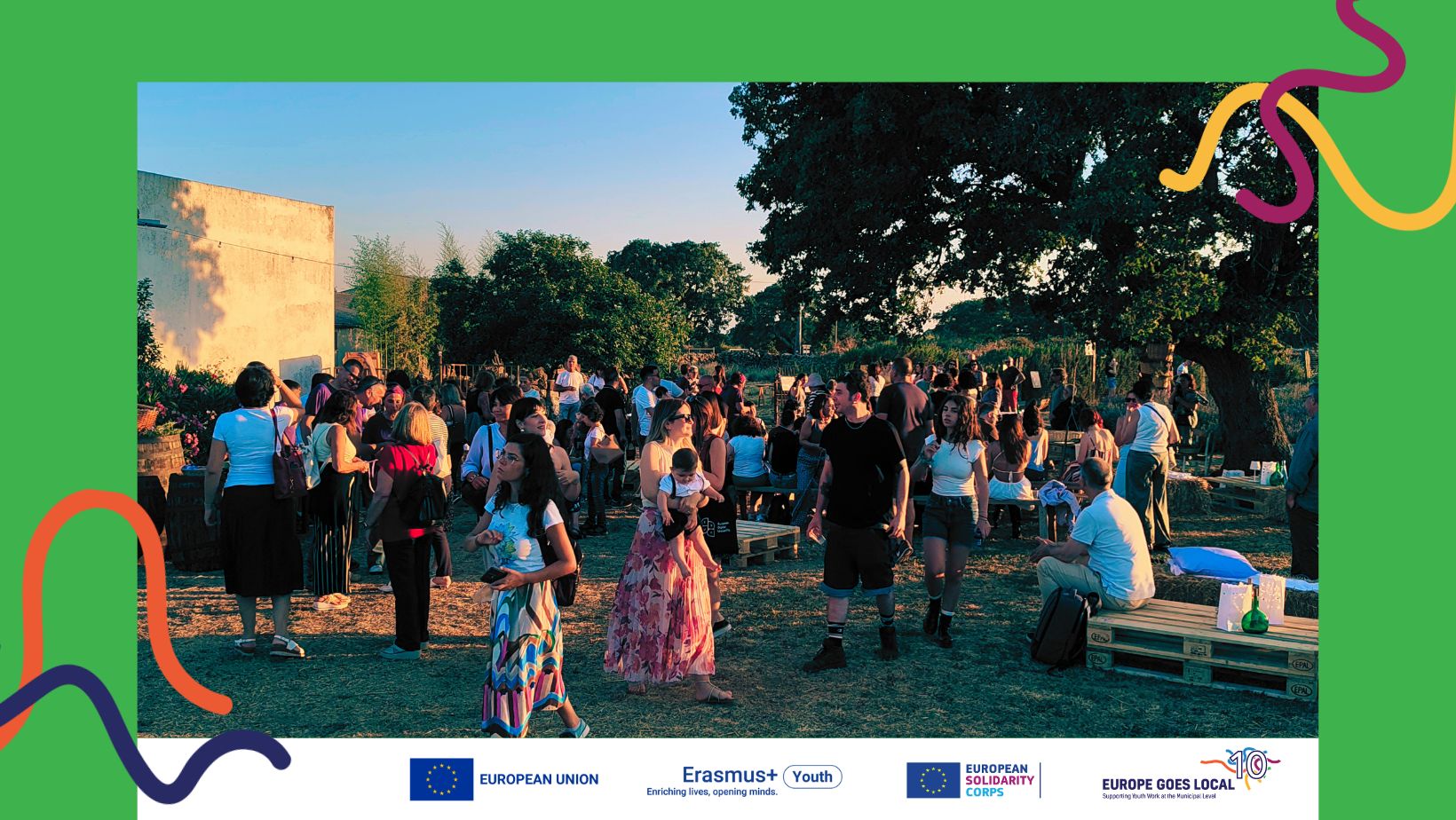
We had the pleasure of talking to Jan Lai, trainer and youth work expert at NUR, an organization with a mission to empower young people to bring positive and sustainable change in the rural and remote areas of the island of Sardinia. The importance of community and youth participation in isolated areas is essential, which is the reason why NUR has been initiating projects that contribute to youth capacity-building skills, engagement, and participation. From this interview, you can learn from Jan how their project Passo dopo Passo (step by step) builds the capacities of youth on the island and how its activities and results are shifting and empowering the role of young people in their particular context.
What are the main activities of Associazione Interculturale NUR? What issues and challenges in youth work is NUR solving?
Associazione Interculturale NUR is a youth work NGO based in Cagliari, the main city of the island of Sardinia, Italy, active in youth mobility, intercultural learning, and non-formal education, primarily through European programmes (Erasmus+, European Solidarity Corps). Our core activity is designing and delivering non-formal learning paths that give young people — especially those in rural, peripheral, or economically disadvantaged areas of Sardinia — the tools, confidence, and networks that the formal education system and local context often fail to provide.
The central challenge we address is the combination of depopulation, emigration, and infrastructural barriers to youth participation and access to learning opportunities. Even formal school attendance is hindered, as economic efficiency is often prioritized over maintaining an effective school presence in remote areas. In small rural towns, young people are often a demographic minority, and there’s a widespread — and largely justified — belief that “there’s nothing here for us” and that local institutions don’t listen to youth. NUR works to break that cycle by building trust between young people and local administrations, and by providing real support in, at least, accessing non-formal education opportunities and chances to experience international mobility, effectively sparking local youth participation.
What does a project like Passo dopo Passo mean for the local youth work in Sardinia? What were your goals and milestones for fostering rural youth intrapreneurship?
Passo dopo Passo was a one-year project aimed at fostering rural youth intrapreneurship — not entrepreneurship in the narrow business sense, but the broader capacity to combine resilience, a sense of possibility, and responsibility to turn an idea into action, based on a specific training and a support system to give local youth real, concrete opportunities to take initiative through a personal project.
Our main milestones included a 4-day preparatory residential training (group-building and critical thinking), a second 4-day residential training focused on project-writing and management skills, two one-day thematic meetings on youth participation and financial support for youth-led ideas with local/regional/national stakeholders, and study visits to youth work organizations in Portugal, Bulgaria, and northern Italy for peer learning. Together with long-term individual tutoring and coaching support, this culminated in each participant designing and implementing their own personal project, including the management of a small grant (up to roughly €2,750).
For local youth work in Sardinia, Passo dopo Passo matters because it’s a working model: proof that even in the most isolated, depopulated parts of the island, a structured, well-resourced non-formal path can turn passive skepticism into concrete initiative — and that this is replicable elsewhere in rural Sardinia, as long as there is trust from the local institutions and administrations in the methods and approaches of youth work.
What type of partnerships and cooperation you needed to build for this project/ who were the main stakeholders, and how did the municipalites contribute to it?
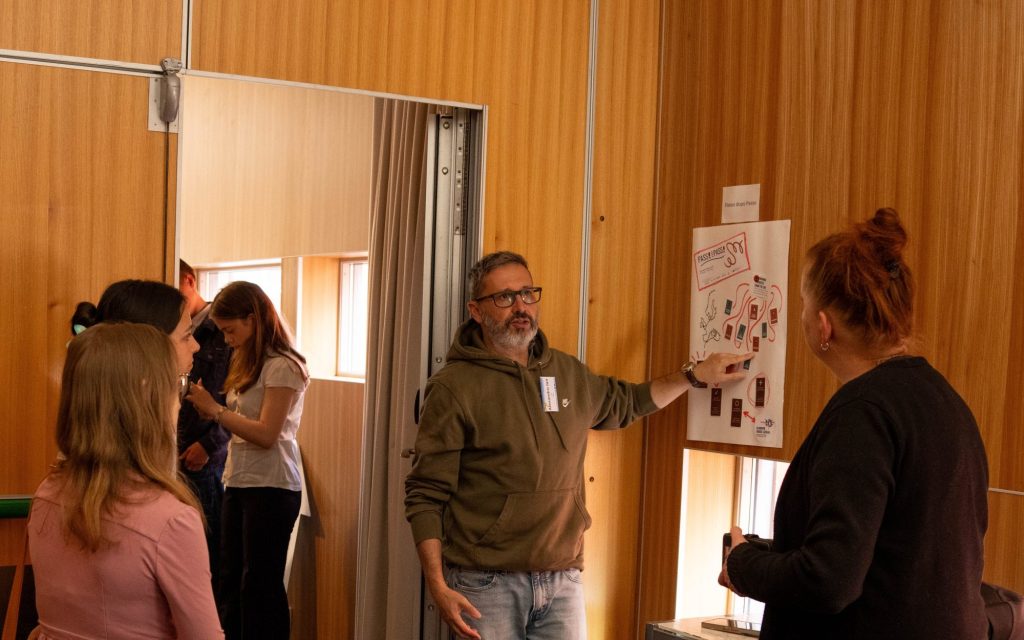
The project was sparked by the Guilcier Union of Towns and PLUS Ghilarza-Bosa (the local welfare/social-planning consortium covering the Oristano area), and required close cooperation between public bodies and two youth work organizations: Replay Network aps, which managed the administrative side, and Associazione Interculturale NUR, which led the pedagogical and logistical content. This was a genuinely horizontal partnership — not a hierarchy — between public administration and civil society, which was itself one of the project’s more significant outcomes: local administrators reported a much better understanding of what youth work actually involves.
The project’s territorial reach covered several municipalities in the PLUS Ghilarza-Bosa area (Abbasanta, Ghilarza, Bosa, Sedilo, Neoneli, Bonarcado, and others), each contacted and engaged through the local Comuni network. The municipalities’ role went beyond passive hosting: participants were required to root each personal project in their local community — through an exhibition, a public event, an information point — turning the project into a two-way exchange between young people and their towns rather than something imposed from outside.
Not all the municipalities engaged in the project on the same level. Some supported the youngsters with in-kind resources (a public space, visibility…) while others were more interested in learning more about the European opportunities and participated in our closing seminar, which also brought in European-level actors (the EU-CoE Youth Partnership, the European Academy on Youth Work, Europe Goes Local) to connect this very local experience to the wider European youth work conversation. But unfortunately some just simply never really got involved.
The second edition of Passo dopo Passo is being planned right now, and at the first meeting with the staff from the PLUS Ghilarza-Bosa, we agreed that as the main local institution promoting the project, they will need to put a greater effort in reaching out to their associated municipalities in the early stages of the project to ensure higher levels of engagement.
How would you describe results or key impact of the project?
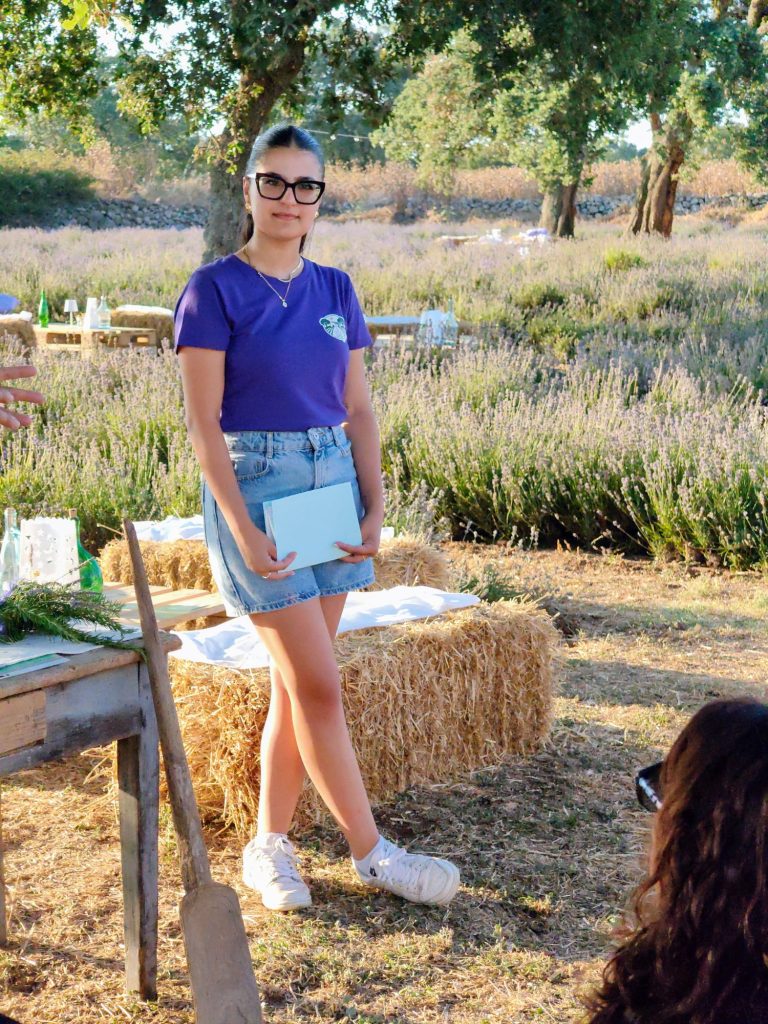
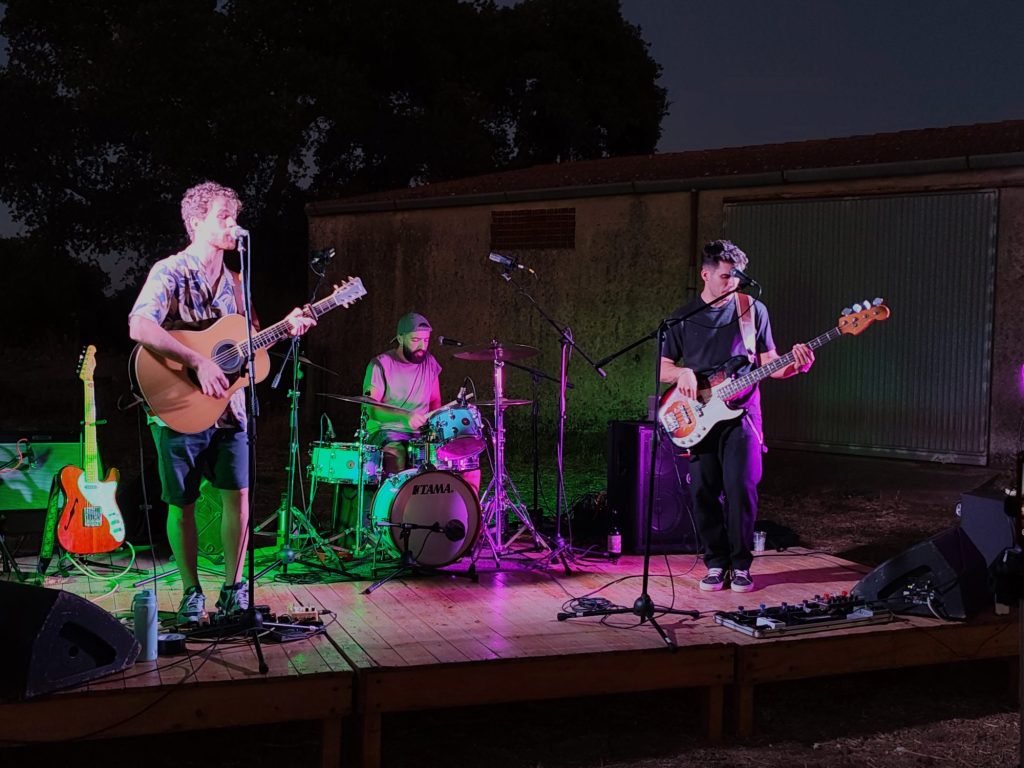
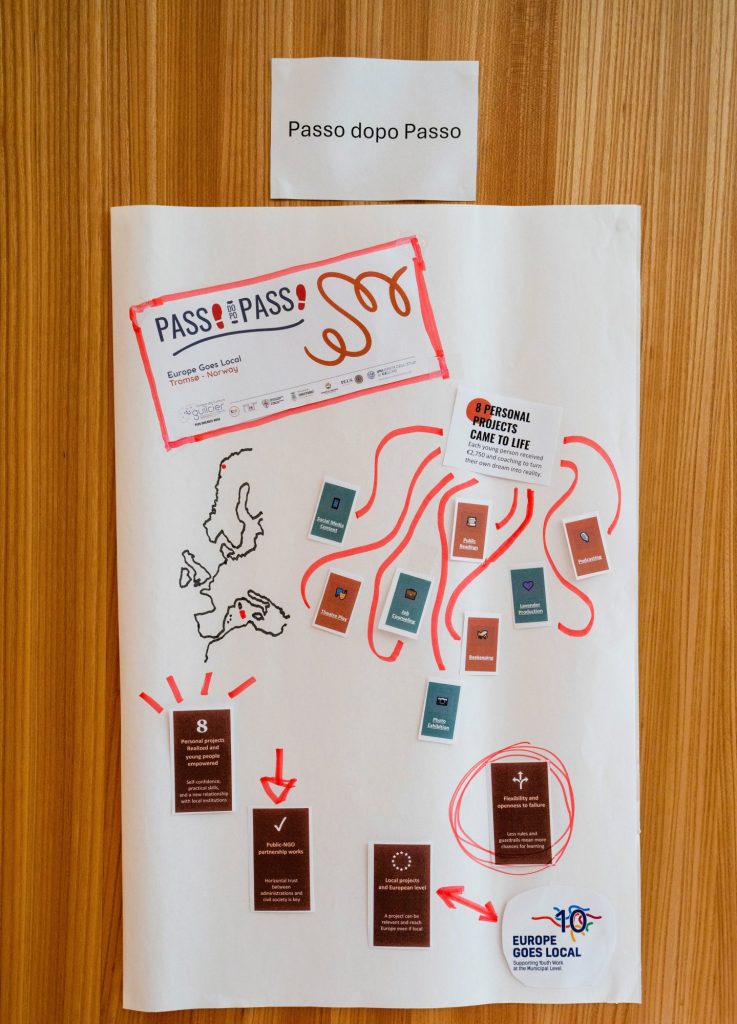
Eight personal projects were completed by young people aged 18–29: beekeeping, podcasting, a theatre play, public literary readings, job counselling, lavender production, social media content creation, and a personal photo exhibition. Beyond the technical outputs, the deeper impact was on self-confidence — participants gained practical skills and, just as importantly, the belief that they were entitled to ask, propose, and be heard by their local administrations.
Three impacts stand out:
The Zoom-recorded evaluation session with participants also surfaced constructive critical feedback (deadline flexibility, project sustainability training, participation incentives), which is already informing how we’re designing the project’s follow-up.
What is the future for rural youth work in your opinion in the region you cover and based on the Passo dopo Passo project?
Passo dopo Passo demonstrated a genuinely replicable model, and PLUS Ghilarza-Bosa and NUR are already working on a follow-up. A potential spin-off is currently under negotiation with the funding body as it builds on the lessons learned. One key adjustment surfaced. Rather than a late-stage “restitution” phase where results are presented back to the municipalities after the fact, the new design front-loads an initial sensitization phase, engaging municipalities from the start and inviting them to co-finance participants’ projects (even symbolically), so that ownership is shared from day one rather than delivered as a fait accompli.
More broadly, I believe the future of rural youth work in Sardinia depends on treating peripheral, depopulating areas not as a deficit to compensate for, but as a context with its own specific potential — provided young people are given real tools, real trust, and real budget to act on their ideas. The biggest structural risk remains Italy’s regional fragmentation and the gap between EU-level youth policy commitments (e.g. the EU Youth Strategy, the Youth Check mechanism) and what actually reaches small rural municipalities. Projects like Passo dopo Passo work precisely because they close that gap locally — but scaling that requires sustained investment and continuity, not one-off pilot funding.
We have a close collaboration with the Regional administration, but so far it has been more on specific projects rather than in defining policies. We hope that the experience and visibility projects like Passo dopo Passo bring to youth work as a field will help us show the main regional stakeholders the importance of supporting its potential, strengths, and ambitions.