
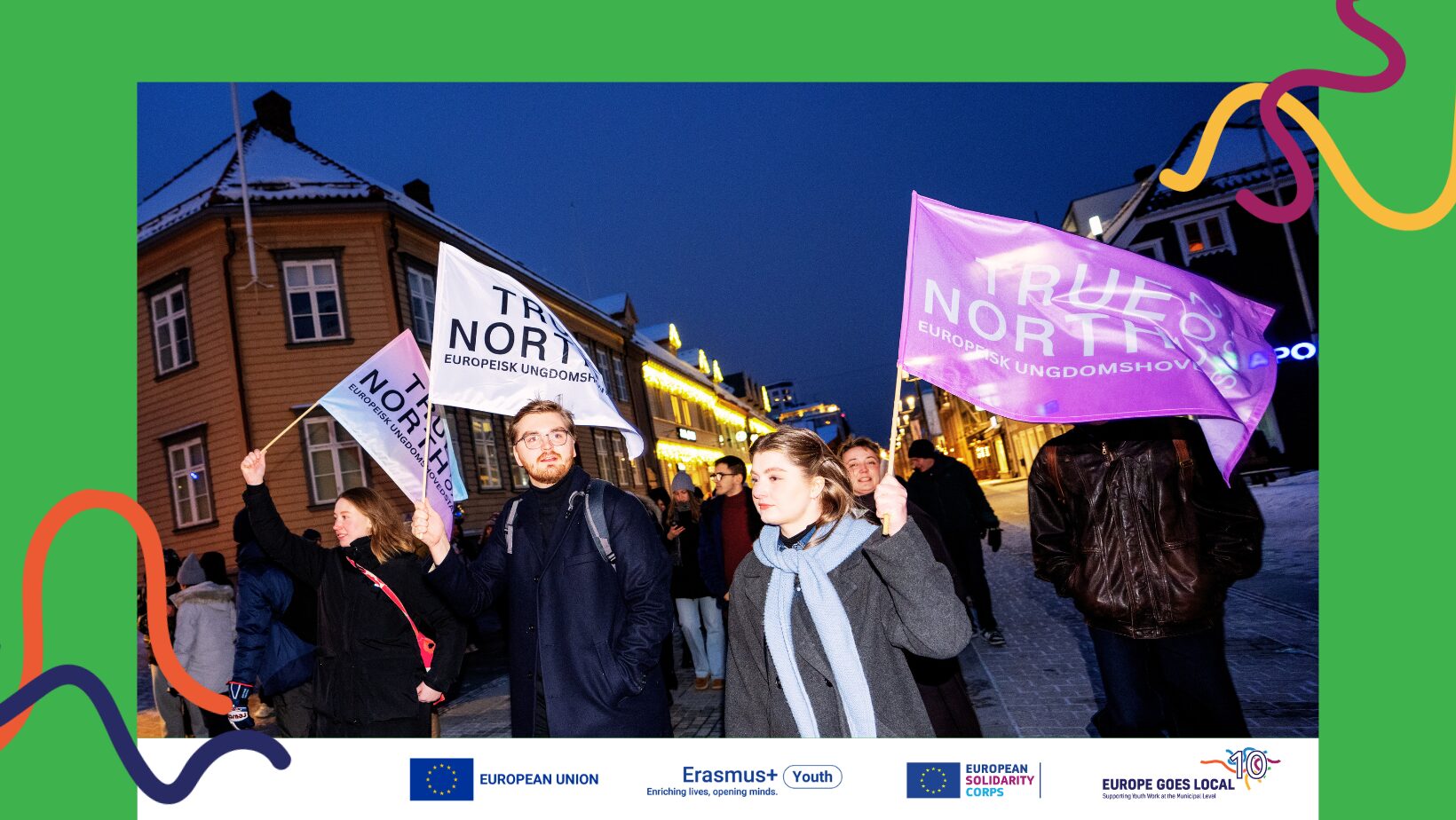
Tromsø is the winner of the title European Youth Capital 2026 and as of beginning of the year, started hosting an inspiring agenda for boosting and further developing youth work. We were pleased to talk to Sif Vik, Project Manager from Tromsø municipality about the goals for this year and beyond. The title’s program focuses on empowering young people in the North and fostering youth participation in local governance. We are excited and eager to explore the ‘True North’.
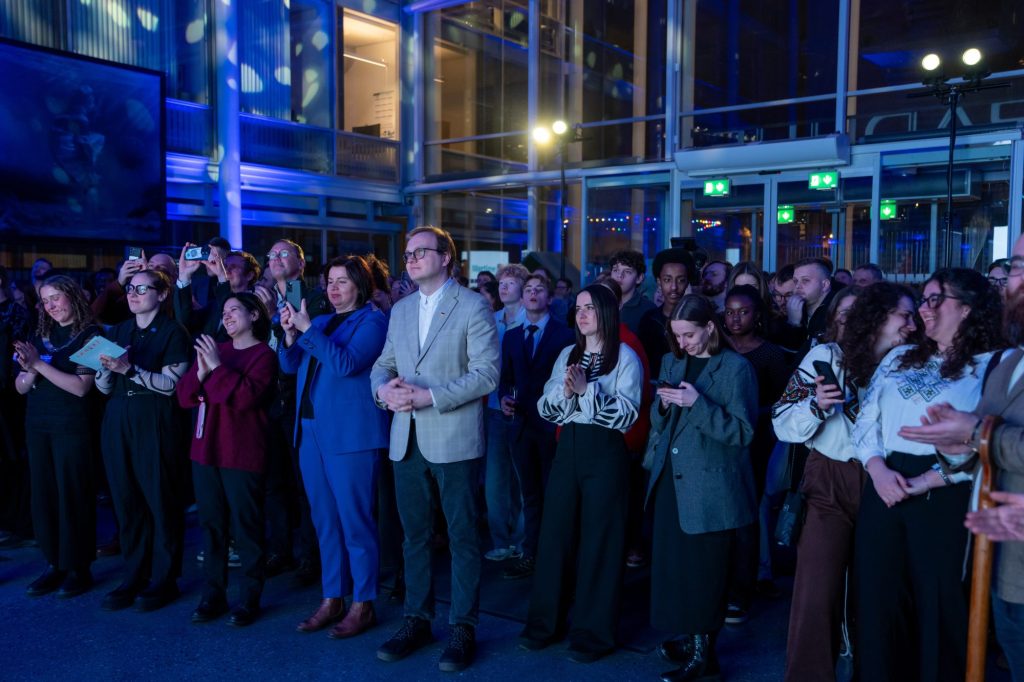
True North – Tromsø 2026 is the guiding programme for Tromsø as European Youth Capital 2026, placing young people at the centre of shaping the future of the Arctic region. What will the program and the title bring to the city, country and beyond?
Tromsø’s title as European Youth Capital 2026, “True North 2026”, is much more than a one-year celebration. For Tromsø and the northern part of Norway it is a long-term investment in youth participation and young people as active influencers of their communities, both locally and across Europe.
At the city level, the programme will strengthen youth participation by embedding young people directly into decision-making processes through for example Policy Labs, strengthening of the Local Youth Council, capacity building for youth organisations and through young people’s own initiatives, to name a few. It creates new arenas where young people are not only heard, but actively influence policies, urban development, culture, and local initiatives.
Regionally and nationally, Tromsø 2026 will highlight the importance of youth work as a key pillar of democracy and social development. By showcasing innovative methods from the Arctic, where distances are long and communities are small, we hope to inspire new approaches to youth engagement across Norway, and also strengthen collaboration between municipalities, youth organisations, and policymakers.
At the European level, Tromsø True North 2026 brings a unique Arctic perspective into the shared European conversation and values. Through international partnerships, exchanges, and co-creation processes, we aim to both learn from and contribute to Europe’s youth field and try to build bridges between regions, cultures, and experiences.
In a way, the title empowers young people to define their own “True North”, their direction, their voice, and their role in shaping the future. It is about creating opportunities, strengthening belonging, and empower young people locally, regionally, and across Europe.
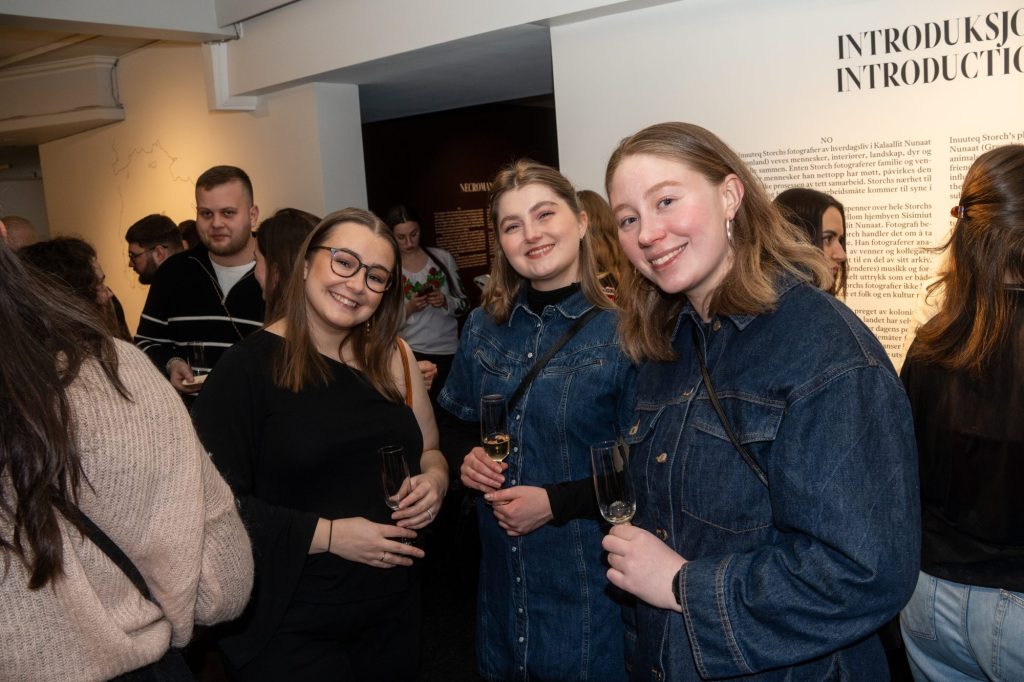
How will Tromsø use this title? What opportunities open with it and what will be happening throughout that year? How different is this one from a regular year?
The title brings unique opportunities for collaboration and co-creation. It allows us to bring together young people, youth workers, decision-makers, researchers, and European partners in new ways. Throughout the year, Tromsø will host a wide range of activities, from youth-led projects, cultural events, policy labs to international exchanges, conferences like the Europe Goes Local conference in June, and so much more.
Rather than creating something entirely separate from what already exists, True North 2026 builds on strong existing structures such as the Tvibit youth centre, the municipal youth council, and a vibrant network of youth organisations, and scaling these into a more visible and influential ecosystem.
What makes 2026 different from a regular year is both the scale and the intention. There will be a higher intensity of youth-led initiatives, greater visibility of young people in public and political spaces, and stronger international engagement. At the same time, the title year is not just about “more”, it is about experimenting and doing things differently. We are using this opportunity to test new methods of participation, to pilot new models of decision-making processes, and create lasting structures that will continue beyond 2026.
We will also facilitate mobility projects and partnerships that strengthen the link between local youth work and European frameworks such as Erasmus+. A key priority is that many of these initiatives are designed and led by young people themselves, ensuring that participation is meaningful and empowering.
Importantly, Tromsø – True North 2026 is designed as a long-term investment. The goal is to create sustainable structures, strengthen the recognition of youth participation and youth work as a key component of democratic development, and ensure that the momentum from 2026 leads to lasting change. In this sense, the title is not just a highlight year, but a turning point and hopefully positioning Tromsø as a leading city for youth participation and empowerment in Europe.
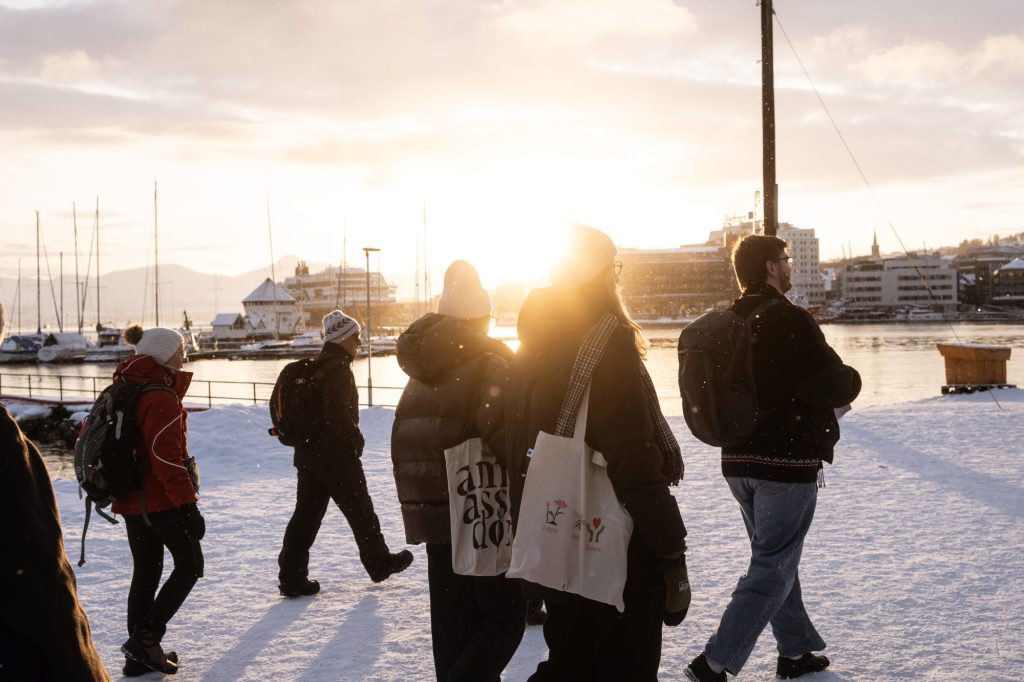
Your concept for the European Youth Capital 2026 frames its activities around three core values: sustainability, inclusivity and creativity. Can you tell us more about this focus and how will it boost local youth work?
The three core values of Tromsø – True North 2026 are grounded in how young people already live, participate, and create in Tromsø. They are not abstract ideas, but lived practices that we are strengthening through the European Youth Capital year.
Sustainability is about giving young people real influence over the future of their city, and ensuring that this influence lasts. For example, through strengthened cooperation with the municipal youth council, young people are not only consulted, but involved in shaping local policies and priorities. At the same time, we are investing in youth workers and other people working with youth participation by developing new tools and competencies that will remain in use long after 2026. A key goal is that many of the initiatives that started during the title year, whether local projects or new participation models, continue as permanent structures.
Inclusivity becomes tangible when we meet young people where they are. In Tromsø, this means reaching out beyond the city centre, and also involving the whole region, and creating low-threshold opportunities to participate. Through actors like Tvibit, we already see how open, youth-led spaces can bring together young people from very different backgrounds, whether through music, gaming, workshops, or simply having a place to belong. During 2026, we hope to expand these kinds of spaces and methods, ensuring that more young people in the whole region, especially those who are not usually involved, are actively involved.
Creativity is often the starting point for engagement. A young person might first come to a concert, an art workshop, or a film project, and through that experience, they also find their voice and their confidence to participate more broadly. Tromsø has a strong tradition of youth-led cultural initiatives, and during the title year we will scale this up: supporting young creators, facilitating youth led initiatives and projects, and connecting local talent with European networks. Creativity also drives innovation in youth work itself, as we test new formats for participation, dialogue, and collaboration.
Together, these values create a youth work ecosystem that is both welcoming and empowering. A young person might enter through a creative activity, find a sense of belonging in an inclusive space, and then move on to actively shaping decisions that affect their lives. This journey from participation to ownership is at the heart of what Tromsø aims to achieve, and it is how we believe local and regional youth work can grow stronger, more relevant, and more sustainable.
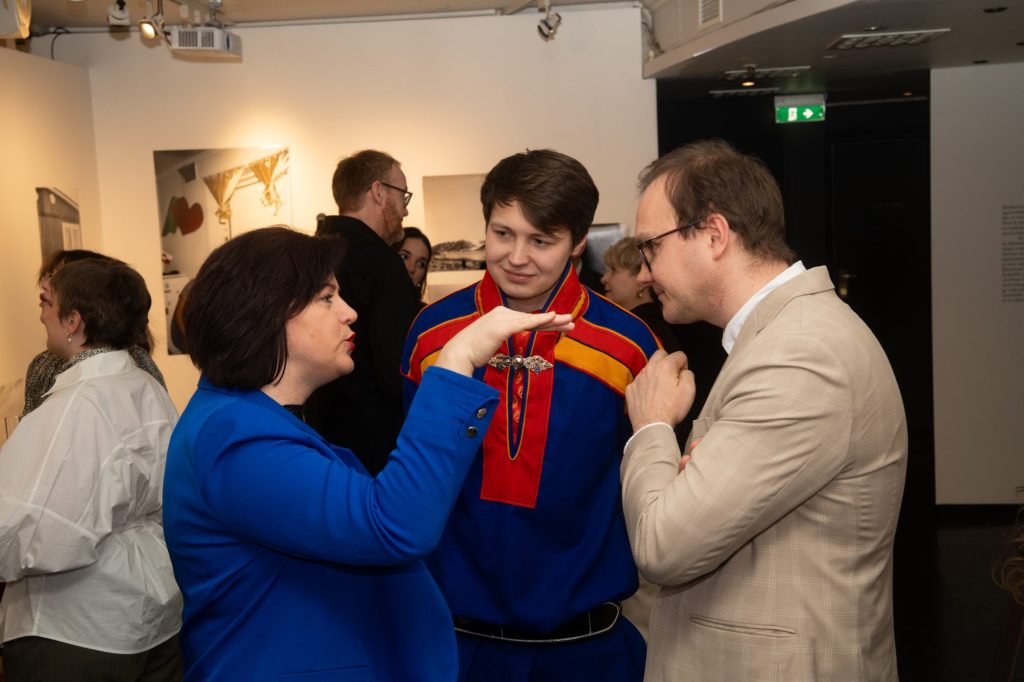
One of the main goals of your program is outreach and quality development of rural youth work. What are the needs and how has the role of local youth workers in Tromsø grown or evolved over the years in regards to this goal?
Outreach and quality development in rural youth work are essential in a region like Tromsø and Northern Norway, where long distances and dispersed communities can limit young people’s access to opportunities. The need is both practical and structural, as young people outside the city centre need accessible arenas to participate, and youth workers need the tools, networks, and recognition to reach them effectively.
Over the last 25 years, the role of local youth workers in Tromsø has evolved from organising youth activities to becoming facilitators of participation, connectors between communities, and contributors to local development. They increasingly work across sectors, collaborating with schools, health services, culture, and civil society to ensure that young people are supported in a more holistic way. Through Tromsø True North 2026, this development is being strengthened further. We are focusing on building competence, sharing methods, and creating stronger links between urban and rural youth work, as well as connecting local practices to regional and European networks.
A flagship example of this approach is the development of outreach-based youth work combined with empowerment through youth led-initiatives, through for example the grant scheme Tvibitstigen. Youth workers organise workshops and activities directly in rural communities, meeting young people where they live, while at the same time offering project grants and mentoring that enable young people to design and lead their own projects and initiatives. This creates a pathway from participation to ownership, where young people are not only involved, but become active creators of local opportunities. In this way, youth workers are not only delivering activities, but shaping inclusive systems that ensure that all young people, regardless of where they live, have the opportunity to participate, belong, and actively influence their own communities.
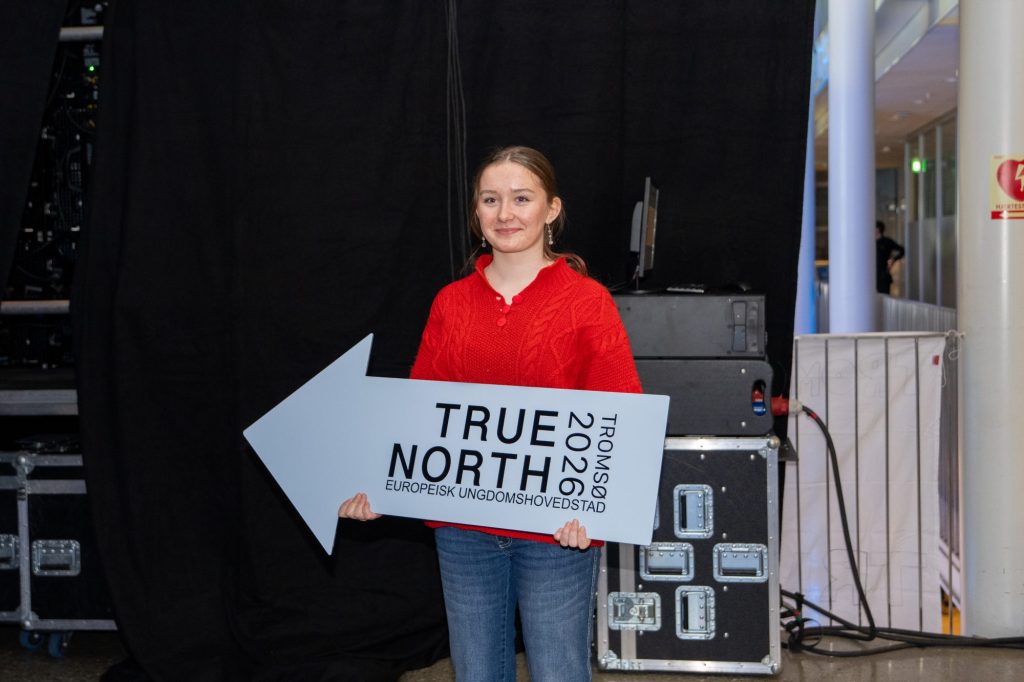
Your program is also addressing the will and need to address global challenges such as climate change, demographic shifts, and social cohesion, what will we be able to learn from you in this respect?
Young people in Tromsø and the Arctic are deeply connected to global challenges such as climate change and sustainable development. Through Tromsø True North 2026, we hope to show how youth work in an Arctic context can offer valuable perspectives on global challenges.
In the Arctic, these challenges are not abstract, they are part of everyday life. Young people in the Arctic experience rapid environmental changes, shifting population patterns, and the need to build inclusive communities across distances and differences. This creates a strong awareness, but also a strong sense of responsibility and capacity to act. One key lesson we bring is how to translate this awareness into meaningful youth participation to ensure that young people are not only informed, but actively involved in shaping solutions. Through our cooperation in the EU-funded project “Youth Together for Arctic Futures”, including the Arctic Youth Dialogues, we are creating spaces where young people from across the Arctic and Europe can come together to share experiences, reflect on common challenges, and co-create ideas for the future. These processes highlight the importance of dialogue, mutual learning, and cross-border collaboration in addressing complex issues.
Another important contribution is how we work with social cohesion in a context of both diversity and distance. Youth work in Tromsø has developed methods for building belonging and participation in small and dispersed communities, and these approaches are highly relevant for other regions facing demographic change and centralisation.
What we hope others will take from Tromsø 2026 is both inspiration and direction: that even a small Arctic city can influence how we think about youth participation, inclusion, and sustainability across Europe. By connecting local experiences to European cooperation and policy development, we believe Tromsø can contribute to shaping stronger, more progressive youth policies. And at the heart of it all is a simple, but powerful truth that when young people are trusted, they take responsibility and create the future they want to live in.