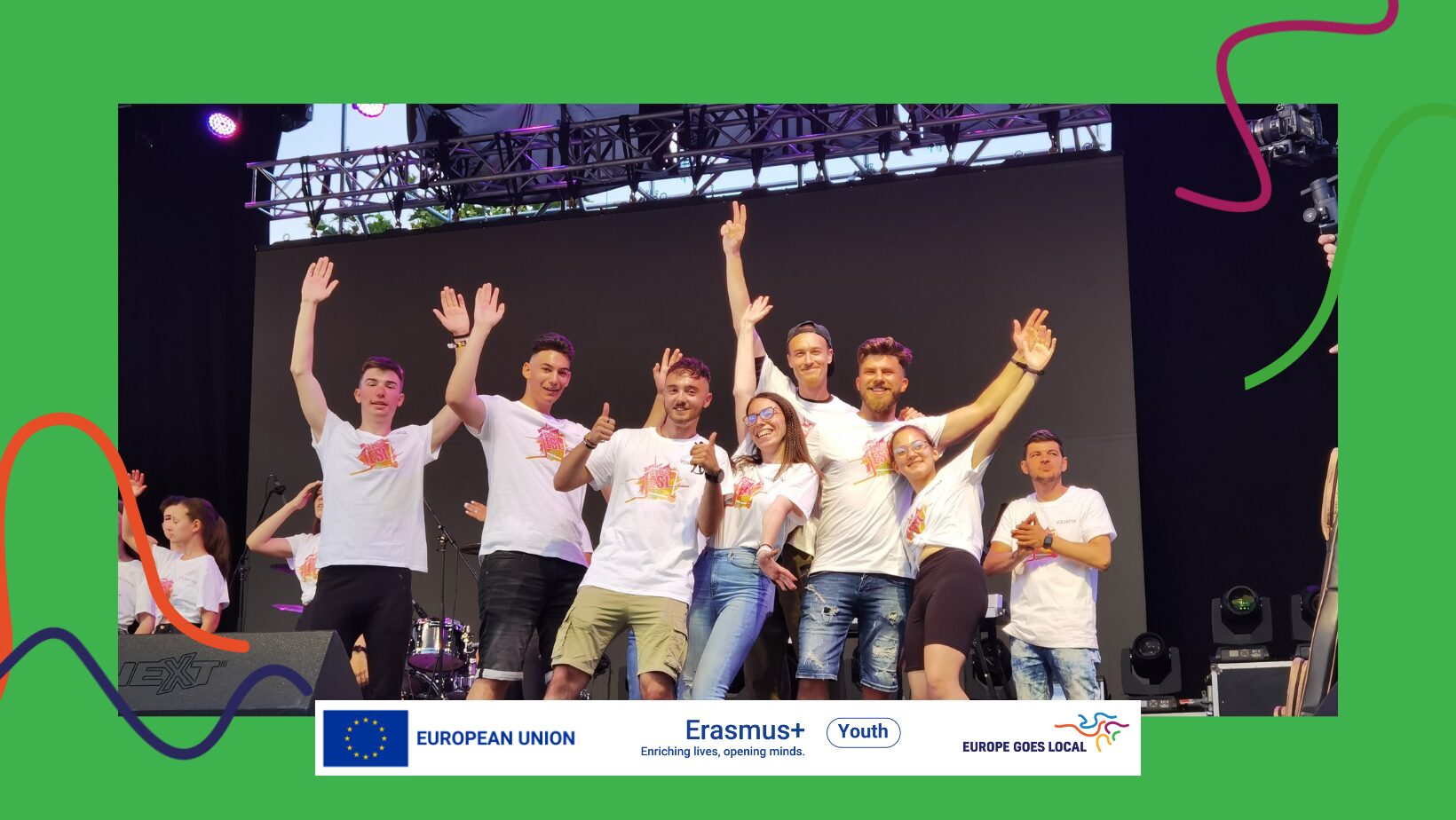
We had the pleasure of interviewing Sebastian Baesan, project officer from the municipality of Alba Iulia, west-central part of Romania. This municipality has an inspiring initiative to make its city the Youth Capital of 2026 through a clear methodology and a wide range of activities. How will young people and other citizens contribute to the urban revitalization and more engagement in the local community? Check out the full interview with Sebastian.
What is the main goal of the Alba Iulia – Youth Capital 2026 initiative?
The main goal of the “Alba Iulia – Youth Capital 2026” initiative is complex and multi-faceted, aiming for a fundamental transformation of the way young people interact with the city and vice versa. We can tie this objective to three major axes:
Youth Activation and Fostering Civic Engagement: The main goal is to promote active and constant involvement of young people in community life. This means shifting from a passive role, as consumers of events, to an active one, as co-creators of public policies and urban development. The initiative aims to create mechanisms and platforms (such as those in the “Action” and “Connect” pillars) through which young people can express their ideas, initiate projects, and influence the decisions that directly affect them.
Sustainable Urban Development through Social Innovation: The program is not limited to the year 2026. A key objective is to use the energy and creativity of young people as an engine for sustainable urban development. This includes consolidating youth infrastructure (permanent centers), strengthening the local NGO sector, and integrating technological solutions (the “Transform” pillar) to solve social and environmental challenges. Practically, young people become strategic partners in building the city’s long-term future.
Positioning the City as a National Hub for Youth Innovation: At a strategic level, Alba Iulia aims to become a national (and European) reference center for youth innovation. The objective is to create a vibrant ecosystem that attracts talent, encourages social entrepreneurship, and promotes personal and professional development (the “Rise” pillar). Through this, the city aims to become a model of good practices in the collaboration between public administration and the youth sector, a place where new ideas are tested and successfully implemented.
In short, the final goal is to anchor youth at the center of the city’s development strategy, generating a sustainable process of urban revitalization led by civic engagement and youth innovation.
What are the five pillars that structure the program’s activities?
The Program Pillars are structured around six types of activities envisioned in the acronym C.R.E.A.T.E.
1. C – Connect (Networking)
This pillar focuses on creating and strengthening connections. It’s not just about connecting young people, but also about building solid bridges between youth and:
Local stakeholders: Public administration (Alba Iulia Municipality), NGOs, and the Youth Council.
The business environment: Private sector partners who can support youth initiatives.
The academic environment: Universities, such as the “1 Decembrie 1918” University, to align educational opportunities with community needs.
Mentors and experts: Facilitating access to experienced individuals who can guide them.
The goal is to build a unified social and professional ecosystem, where collaboration becomes the main engine of innovation.
2. R – Rise (Personal and professional development)
This pillar is dedicated to individual growth and evolution. Recognizing that young people need skills relevant to the future, the “Rise” pillar likely includes:
Training and workshops: Developing skills (soft skills, hard skills, leadership, project management).
Mentorship programs: Personalized guidance for career and personal development.
Career opportunities: Job fairs, apprenticeships, and internships with program partners.
The goal is to equip young people with the necessary tools to reach their full potential, thus contributing to the city’s overall development.
3. E – Education (Education)
This pillar mainly refers to non-formal and civic education, complementing the traditional education system. Activities focus on:
Civic education: Understanding how the administration works and how young people can participate in the decision-making process.
Digital education: Increasing digital literacy, essential for the “Transform” pillar.
Peer-to-peer learning: Encouraging young people to become trainers themselves and share knowledge.
The goal is to form informed, critical, and capable citizens able to adapt to the challenges of a constantly changing society.
4. A – Action (Volunteering)
This is the central pillar of civic engagement and the soul of the program. It is the vector through which ideas become reality and where the “Voluntari de Alba” group plays a crucial role. The “Action” pillar involves:
Community projects: Initiatives launched and implemented directly by young people to solve local problems.
Social campaigns: Mobilizing the community on topics of interest (environmental, social, cultural).
Volunteer management: Structuring and supporting volunteering efforts for maximum impact.
The goal is to activate the civic spirit and demonstrate the power of collective action in transforming the city.
5. T – Transform (Use of technology)
This pillar ensures the program’s relevance in the digital age and aligns with the objective of innovation. “Transform” means:
Digital platforms: Developing apps or websites to facilitate communication, organization, and civic participation.
Smart City solutions: Involving young people in creating technological solutions for urban problems (transport, environment, administration).
Hackathons and innovation labs: Events that encourage technological creativity.
The goal is to use technology as an accelerator for civic engagement and sustainable urban development.
6. E – Events (Social events)
This pillar represents the urban culture and community celebration component. Events are essential for creating visibility, attracting participants, and building a sense of belonging:
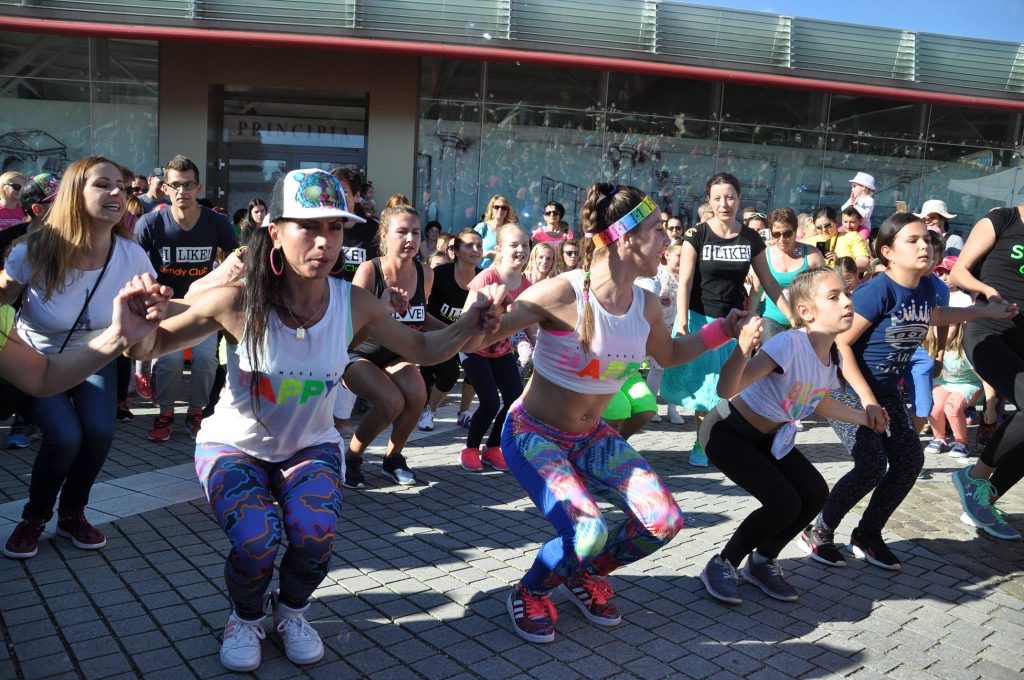
Cultural events: Festivals, concerts, theatre plays, art exhibitions.
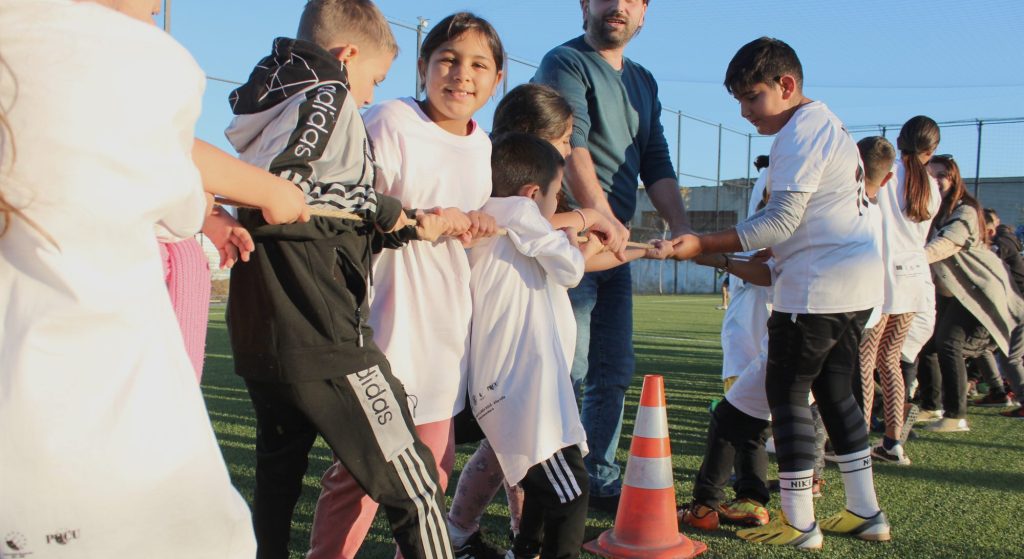
Sports competitions: Promoting a healthy lifestyle and team spirit.
Conferences and public debates: Creating a public space for dialogue on topics relevant to young people.
The goal is to make the program visible, accessible, and attractive, transforming Alba Iulia into a vibrant city full of life for young people.
Who are the main stakeholders and partners involved in the initiative?
1. Local Stakeholders (The Implementation Ecosystem)
These are the partners who designed and will effectively implement the program in Alba Iulia.
Alba Iulia Municipality (Public Administration): This is the main institutional partner. Its role is to provide political, administrative, and financial support. The local administration has committed to collaborating with young people, providing resources, and integrating the program’s objectives into the city’s development strategy.
The Youth Sector and Civil Society (The engine of the program): This is the core of the initiative. It includes:
The working group: A team of young people and NGO representatives (coordinated by Sebastian Băeșan as program manager and Diana Gruiță as co-manager). This group represents the “common voice” of the youth.
Local NGOs: The entire “associative environment” of the city is a key partner, responsible for implementing many projects from the C.R.E.A.T.E. pillars.
The “Voluntari de Alba” local volunteer center: The essential volunteer force for carrying out events.
The Academic and Educational Environment:
“1 Decembrie 1918” University: A natural strategic partner, connecting the program to the student environment, offering expertise, spaces, and involving students in research and activities.
Pre-university institutions: High schools and middle schools are also important stakeholders, as the program also targets pupils.
The Private Sector:
Local and national companies: These partners contribute with funding, sponsorships, mentorship for the “Rise” pillar (professional development), and technical expertise for the “Transform” pillar. The program aims for active collaboration between youth, the public sector, and the private sector.
2. National Partners (Program Governance)
These are the partners who created the “Youth Capital of Romania” program at the national level. They provide the winning city (Alba Iulia) with financial support, consultancy, and the general framework.
The Romanian Youth Council (CTR): The representative body for youth at the national level.
The Cluj Youth Federation (FTC): Ensures the knowledge transfer from Cluj-Napoca, the former European Youth Capital.
The PONT Group: A group of experts in youth policy, which initiated the program.
Banca Comercială Română (BCR): The strategic financial partner of the national program, which provides the 50,000 euro prize as start-up funding for implementing the program in the winning city.
How will the volunteers contribute to the initiative?
The “Voluntari de Alba” group, in its capacity as the city’s local volunteer center, is not just a simple participant; they represent the main engine and logistical infrastructure for the “A – Action (Volunteering)” pillar of the entire program.
Its contribution is fundamental and manifests on several levels:
Coordination and Volunteer Management:
As a centralized structure, “Voluntari de Alba” is responsible for the recruitment, training, management, and coordination of the entire body of volunteers needed to implement the program. It creates the volunteer database, assigns them tasks based on their skills (thus also connecting to the “R – Rise” pillar), and provides them with the necessary support (training, equipment, etc.).
Direct Implementation (Operational Force):
The center and its volunteers represent the operational arm of the program. They are the force on the ground that ensures the smooth running of the “E – Events” pillar (festivals, conferences, social events), as well as other community projects. Without this organized human resource, the large-scale implementation of activities would be impossible.
Promoting Community and Civic Spirit:
Beyond logistics, “Voluntari de Alba” plays an essential role in achieving the program’s main objective: promoting civic engagement. The center acts as a permanent ambassador for volunteering, attracting new young people into the movement and cultivating a culture of participation in the city. It transforms the abstract concept of “civic engagement” into concrete, accessible action.
In short, “Voluntari de Alba” is the operational backbone of the initiative, providing the human resources and civic energy needed to turn the C.R.E.A.T.E. program plans into reality.
In what ways is the initiative designed to be sustainable and replicable in other cities?
The initiative’s sustainability and long-term impact for Alba Iulia is not just based on the events of 2026, but on creating structures and processes that will remain active long after the capital year ends.
1. Creation of Sustainable Infrastructure:
Physical: A key objective is the development and consolidation of permanent youth centers. These physical spaces will continue to host activities, NGOs, and youth initiatives, becoming long-term community assets.
Digital: Through the “T – T-Transform” pillar, the initiative develops digital platforms for civic engagement and volunteer management. These technological tools remain functional after 2026, facilitating continuous civic participation.
Organizational: The program strengthens existing structures, such as the “Voluntari de Alba” Center. Investing in this center (through training, resources, and visibility), it ensures that volunteer management in the city becomes more professional and sustainable.
2. Strengthening the Local Ecosystem:
The initiative doesn’t just create projects; it strengthens the entire youth ecosystem. Through the “C – C-Connect” pillar, it creates permanent links and collaboration models between key stakeholders: Alba Iulia Municipality, local NGOs, the university, and the private sector. This new way of working (based on partnership and co-management) is the main and most sustainable legacy.
3. Development of Human Capital:
Through the “R – Rise” (development) and “E – Education” (non-formal education) pillars, the program invests directly in people. The young people who participate in training, implement projects, and get involved in volunteering become a generation of active citizens and community leaders. This trained human resource represents the guarantee of long-term sustainability for civic engagement in Alba Iulia.
Replicability (Model for other Cities)
The Alba Iulia model is designed to be a “blueprint” that other cities can study and adapt.
1. A Clear Methodological Framework (C.R.E.A.T.E.):
The most important replicable component is the framework structured on the 6 pillars (C.R.E.A.T.E.). This acts as a clear and modular recipe. Any city can take this framework and adapt it to its specific context, developing its own activities for Connect, Rise, Education, Action, Transform, and Events.
2. Focus on Processes and Structures:
The Alba Iulia model does not focus only on spectacular events, but on building the structures needed to support them (e.g., a strong volunteer center, a functional youth council). The program will generate methodologies, good practice guides, and case studies on how to build these structures, which other cities can download and implement.
3. The Partnership Model (Governance):
The way the public administration collaborates with the NGO sector and with young people can be used in similar settings and contexts. The initiative will test in practice how to build trust and how to share responsibility, offering a model of participatory governance that other municipalities can adopt to activate their own youth communities.
To provide the best experiences, we use technologies like cookies to store and/or access device information.
Functional
Always active
The technical storage or access is strictly necessary for the legitimate purpose of enabling the use of a specific service explicitly requested by the subscriber or user, or for the sole purpose of carrying out the transmission of a communication over an electronic communications network.
Preferences
The technical storage or access is necessary for the legitimate purpose of storing preferences that are not requested by the subscriber or user.
Statistics
The technical storage or access that is used exclusively for statistical purposes.The technical storage or access that is used exclusively for anonymous statistical purposes. Without a subpoena, voluntary compliance on the part of your Internet Service Provider, or additional records from a third party, information stored or retrieved for this purpose alone cannot usually be used to identify you.
Marketing
The technical storage or access is required to create user profiles to send advertising, or to track the user on a website or across several websites for similar marketing purposes.