Youth Officers from Municipalities Explore Finland’s Youth Work Model in One of the World’s Happiest Places
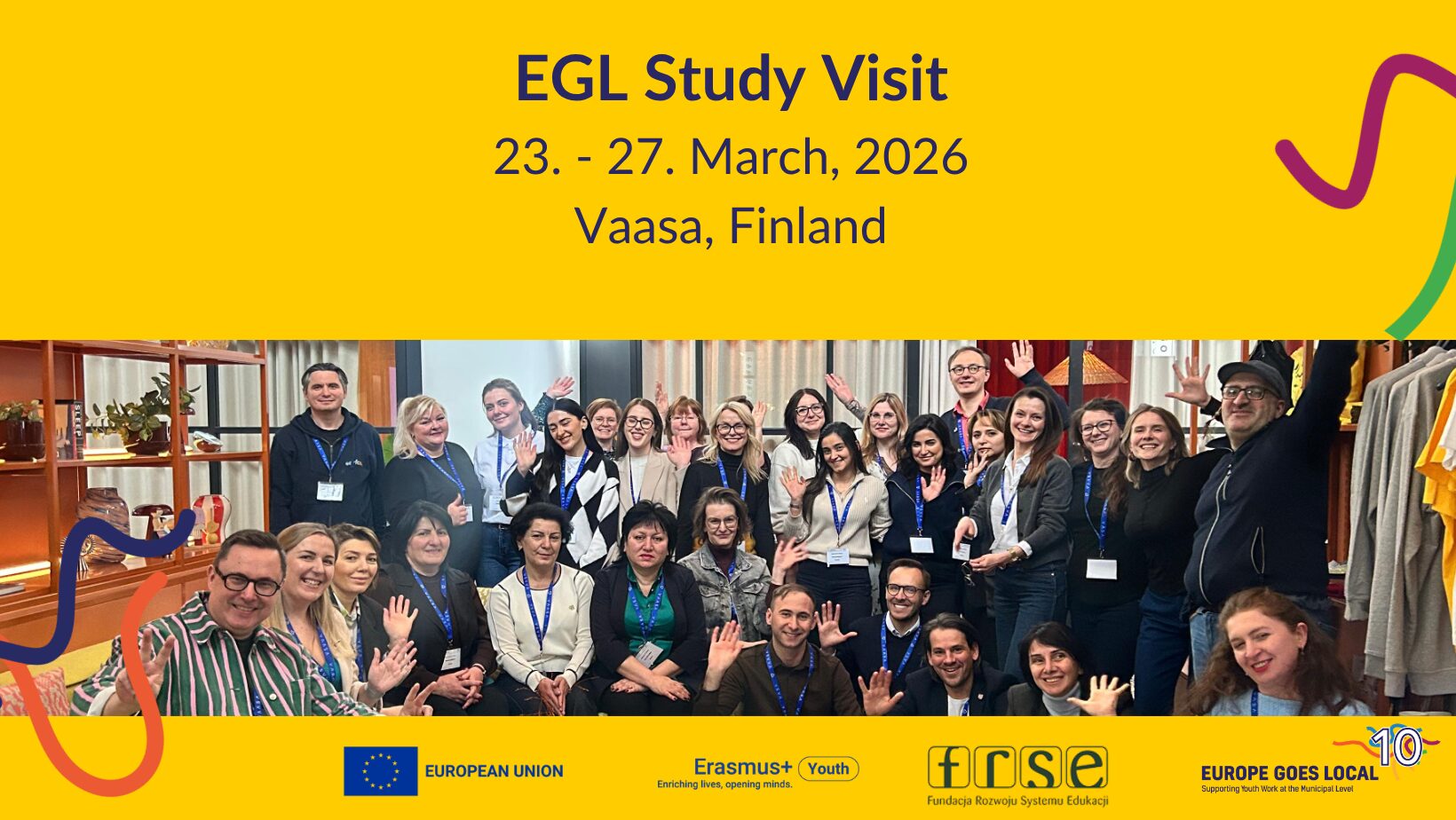
During this study visit, Vaasa became a hub of international dialogue, as youth professionals from across Eastern Europe, the Caucasus, and Poland gathered for an intensive study visit focused on mentoring, youth policy, and practical support for young people. Organized within the Europe Goes Local programme, the programme brings together practitioners, experts, and decision-makers eager to exchange ideas and learn from one of Europe’s most highly regarded youth work systems.
Finland has been ranked the world’s happiest country for several consecutive years, thanks to high levels of trust, safety, equality, and quality public services. Participants are therefore not only studying youth work methods, but also experiencing a society where wellbeing is built into everyday life — from accessible education and healthcare to a strong work–life balance and a deep connection to nature.
Vaasa, a coastal city on the Gulf of Bothnia, reflects these national strengths on a local level. Known for its safe environment, vibrant student population (5 universities!) , and easy access to the sea and surrounding forests, the city is often regarded as one of Finland’s most liveable places. Its compact size allows residents — and visitors — to move easily between schools, workplaces, cultural venues, and natural landscapes, illustrating how urban life and wellbeing can coexist.
Rather than sitting through lectures alone, participants are experiencing Finnish youth work firsthand. Their days combine expert presentations with lively discussions, workshops, and visits to local youth facilities. From learning how youth councils give young people a real voice in decision-making to exploring preventive work against violence and social exclusion, the group is gaining insight into how Finland supports young people beyond the classroom with youht workshops, hobby systems and decision making processes.
At Vaasa Youth Services centres, visitors meet youth workers on the ground, observe activities in youth clubs, and learn how guidance services help young people navigate education, employment, and wellbeing challenges. The programme also highlights how municipalities coordinate services to ensure that no young person is left behind, those who are the part of education system but also the NEET young people .
The exchange goes both ways. Delegations present their own national experiences, comparing challenges and innovative solutions from different countries. These conversations often spark new ideas, partnerships, and future projects that extend far beyond the duration of the visit.
Equally important are the reflection sessions, where participants step back to consider what lessons can realistically be applied at home. By the end of the week, the both mentoring groups SALTO EECA and Polish one will produce a shared assessment and outline concrete steps for continued cooperation.
Organizers hope the visit will strengthen mentoring systems and inspire new approaches to youth work across the region. As one participant noted, the real value lies not only in learning about Finland, but in building a network of professionals committed to improving young people’s lives throughout Eastern Europe and Caucasus
The study visit runs from March 23 to 27 and concludes with a evaluation and plans for future collaboration, leaving participants with both practical tools and a glimpse of how supportive environments can help young people — and societies — thrive.