Youth work makes a real difference in young people’s lives. At the same time, youth work often seems to be a victim of unchangeable political circumstances and decisions. But who speaks up for youth work? And how can youth workers strengthen their lobbying skills?
Therefore, in recent years, several training courses on lobbying for youth work have been offered at the European level as well as in individual EU Member States.
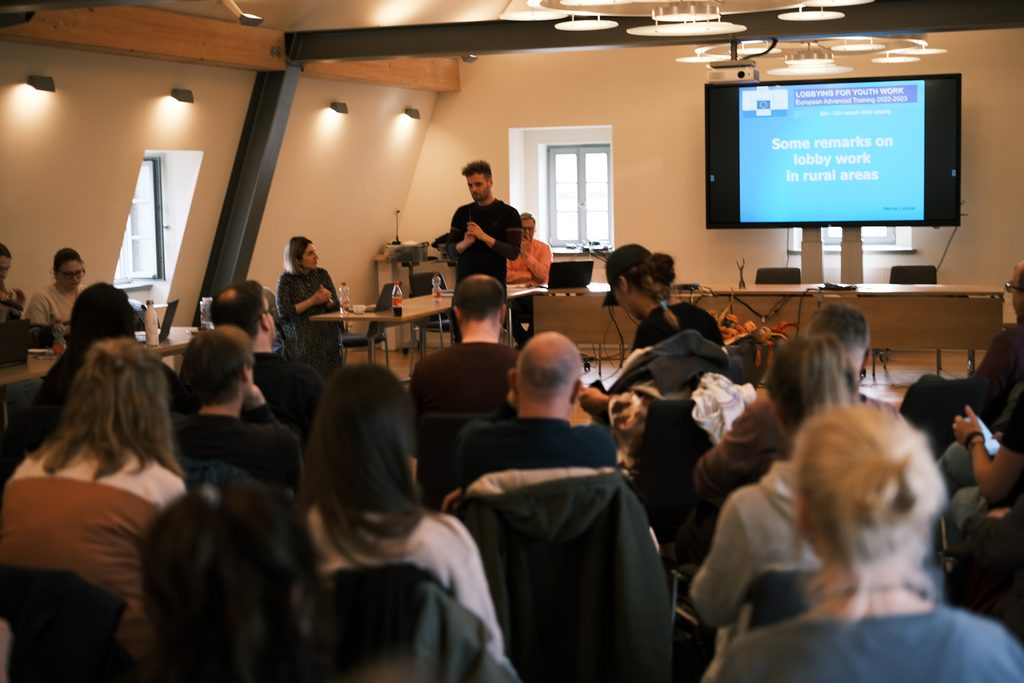
The European Long-Term Training Courses were inspired by and carried out within the framework of “Europe goes local”. These training courses have equipped the participants with the strategies, networks and communication skills needed to advocate for youth work and youth-friendly policies.
A European story with local roots
The roots of Lobbying for Youth Work lie in Germany, where the concept was first developed as a national training course. In 2019, JUGEND für Europa initiated the first international training course within Europe goes Local. A second international trajectory followed, coordinated by JINT, which further developed the methodology and expanded the network of practitioners. Both editions focused very much on the local level and invited mostly local youth work practitioners. Inspired by these experiences, national trajectories emerged in several countries.
Change starts where young people live
Many of the decisions that shape young people’s lives are made locally. Whether it concerns public space, participation, wellbeing or inclusion, municipalities play an important role in creating the conditions in which young people grow up and thrive. That’s the reason why the lobbying for youth work training courses were embedded within Europe goes local.
Yet youth work often competes with other policy priorities. That is precisely where Lobbying for Youth Work comes in. As Elmo from De Ambrassade summarised:
“Every youth worker should consciously engage in lobbying. It should not be reserved for policy specialists.”
More than a training
Over the past years, Lobbying for Youth Work has grown beyond a training methodology. Through the different trajectories, participants, trainers and experts have collectively explored what it takes to strengthen the position of youth work in policy-making processes.
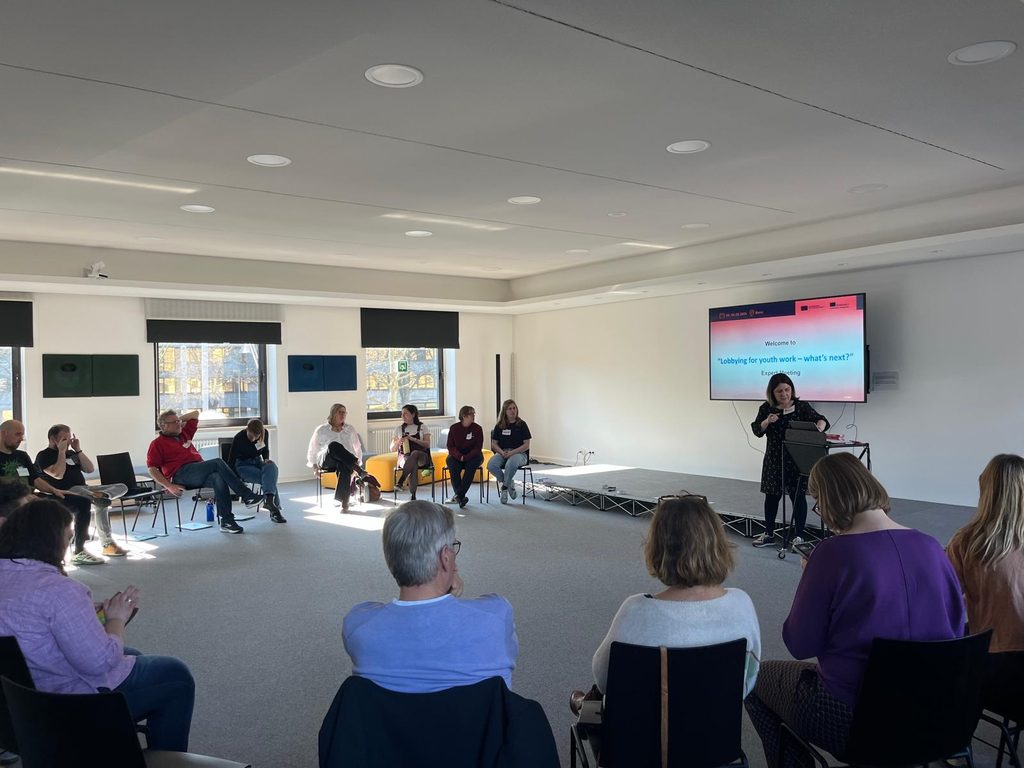
In March 2026, former participants, trainers and experts gathered in Bonn, Germany, for an international harvesting event. Together, they reflected on seven years of experience and explored how the concept could continue to grow in the future.
The discussions resulted in a number of clear recommendations.
These recommendations are brought together in the Lobbying for Youth Work Position Paper.
Looking ahead
The story of Lobbying for Youth Work is still being written.
While the initiative has focused primarily on local youth work and municipalities, its lessons reach much further. Across Europe, youth workers, youth officers and youth organisations are increasingly recognizing lobbying as a core competence for creating impact.
The next challenge is clear: to continue strengthening local youth-friendly ecosystems while embedding lobbying more firmly within the youth work sector at local, national and European level.
As Pieter-Jan from Meetjesman noted:
“We need to keep looking critically at ourselves as a sector, while also thinking about how to make lobbying for youth work and youth policy attractive to as many youth work professionals as possible.”
What started as a Europe Goes Local initiative has become a broader invitation to the youth work sector: not only to respond to decisions, but to help shape them
Lobbying for Youth Work: What’s next? – Download the position paper developed by Geert Boutsen, Nele Leeten, and Claudius Siebel.
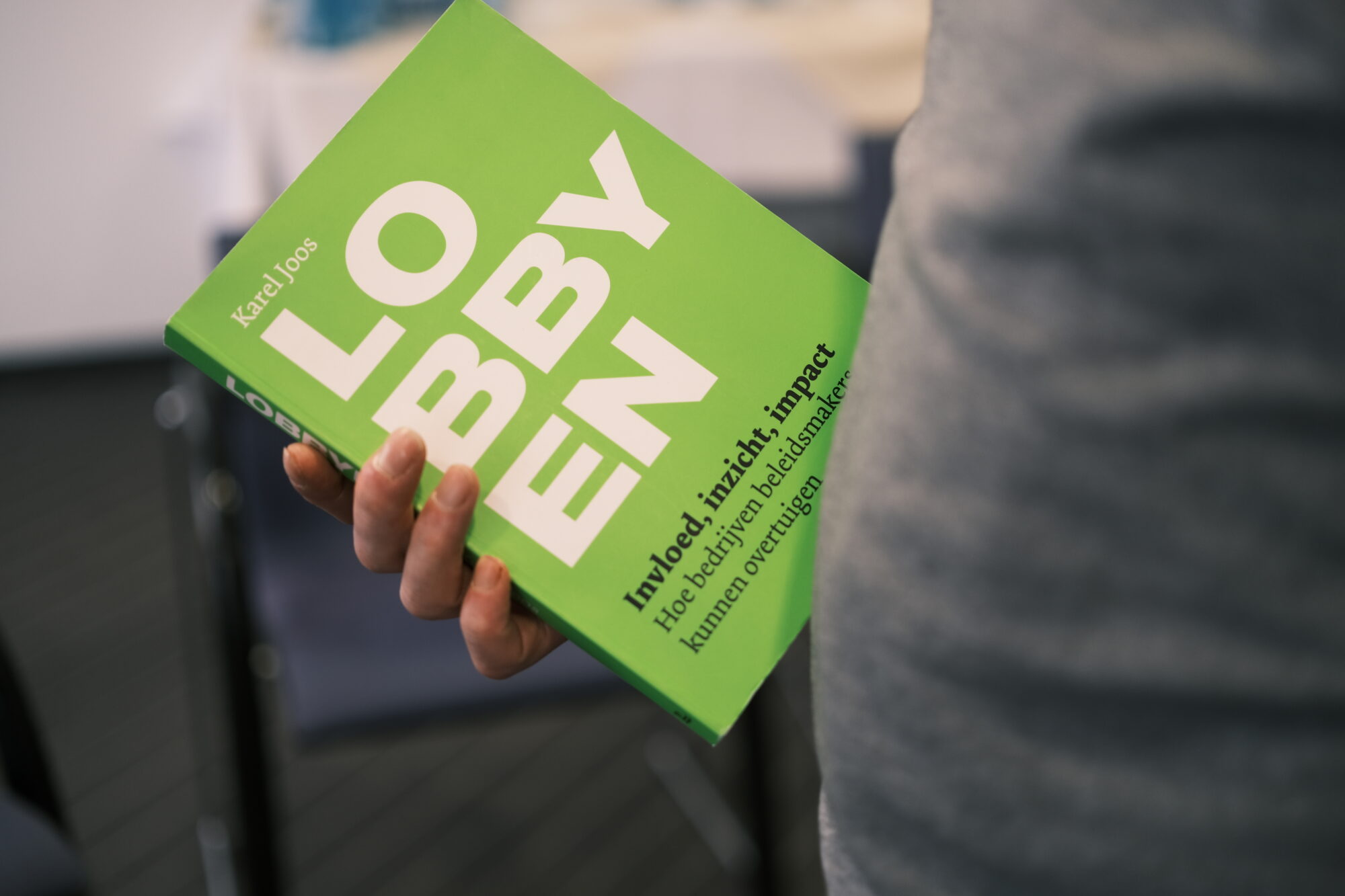
Check out our related past articles:
Engaging in Lobbying – Positionoiong Youth Work – by Jugend fur Europa
Lobbying for Youth Work – interview with Geert Boutsen
On 23 February in Brussels, Europe Goes Local welcomed Zurab Samadalashvili from Austria’s Agency for Education and Internationalisation for a job-shadowing day focused on strengthening cross-national learning in youth work.
Zurab visited Brussels to gain deeper insight into key Flemish initiatives: the LandInSight tool and lobbying for Youth Work, both developed by JINT – the Flemish National Agency. Zurab also met with Bataljong, the umbrella organisation supporting municipalities in developing strong local policies for children and young people. Their expertise in connecting local authorities, youth councils, and practitioners offered a valuable perspective on how structured support can empower local youth work.
The next step included a brief description of the tools from JINT and Bataljong that were shown during the day. First LandInSight developed by JINT – this tool puts internationalisation on your organisation’s radar. It helps organisations explore how international activities and cooperation can strengthen your organisation. The second tool is Aanstekers from Bataljong. This is a web tool where all young people can add ideas for their local council. You can also view all the ideas submitted by others. The last one is Debattle from Bataljong. Debattle is a project focused on the 2024 municipal elections, tailored to young people and youth councils in particular. Debattle informs, facilitates and activates youth councils so that they can increase their influence and ensure their voice is heard in the new policy plans.
During the day, we exchanged experiences on how youth work is organised in Flanders and Austria. Zurab presented his pilot project- the Local EGL Trio Model. The visit created a space for reflection, mutual learning, and new ideas. We learned a lot about each other’s work, and we look forward to exploring future opportunities to connect our practices and strengthen local youth work across Europe.
—
This article was written by Hanne Bogaert, an intern of JINT vzw and Europe Goes Local. Hanne is currently completing her Master’s degree in EU Studies at the University of Ghent. She was present during the job shadowing, followed along and got to know Zurab and his project, the LandInSight tool from JINT and Bataljong and their projects and tools.
EGL is 10!
2026 marks #10 years of our Europe Goes Local network project dedicated to supporting and empowering municipal youth work across Europe.
Europe Goes Local started as a European network project with a key objective to strengthen youth work where it matters most: at the local level. By connecting municipalities, youth workers, and policymakers across Europe, the project turns European youth policy into real-world practice—raising the quality, visibility, and recognition of local youth work.
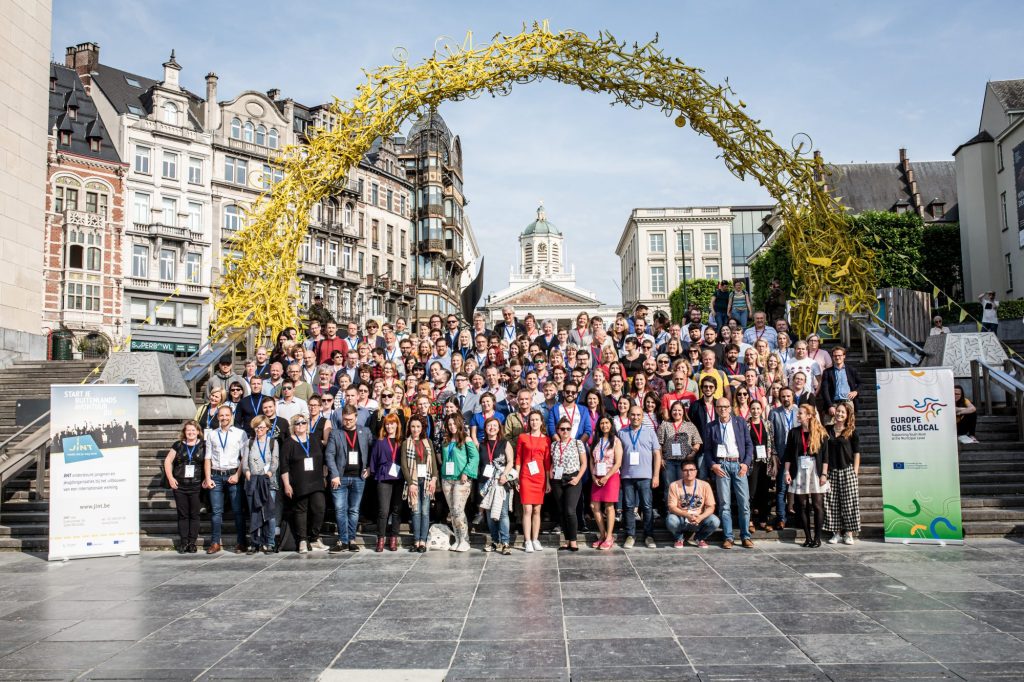
Through peer learning, capacity building, and cross-border cooperation, the EGL framework has empowered local actors to innovate, professionalise youth work, and embed a strong European dimension in everyday practice. By actively contributing to the European Youth Work Agenda and the Bonn Process, our network bridges local realities with European strategies—ensuring that youth work is valued as a key pillar for inclusive, resilient, and youth-friendly communities across Europe
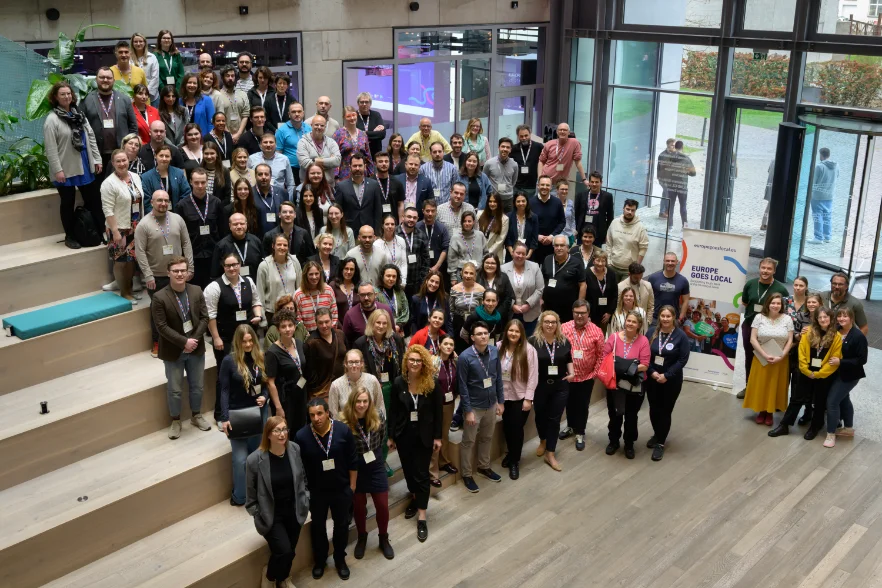
Together with 35 member countries and a large number of youthwork stakeholders, we are happy to be here. We are grateful for a decade of collaboration, learning, and impact.
We invite you to join us for this special anniversary year and look out for a series of inspiring activities, events, and moments that honour the journey so far and get excited about the next steps.
Europe Goes Local will have its yearly in conference in spring 2025 in Prague, Czech Republic. We are looking for two facilitators and a rapporteur to support the event as part of the implementing team.
The specific focus of the 2025 EGL event as it was agreed by the EGL Advisory Board:
Target group
Municipal officials, decision-makers and local youth work providers, umbrella organizations.
To apply, please, read the calls:
Deadline to apply: 15 August for both calls.
During its meeting on 13 and 14 May, the EU Council of Youth Ministers approved a resolution addressing the role of youth work in supporting young people to become more autonomous within new realities. The resolution calls on member states, the Commission and relevant stakeholders to support the development and practice of quality youth work and youth work policy at EU, national and local levels, including through comprehensive youth work policies, bottom-up approaches, training of youth workers and by ensuring enabling environments and equal access to youth work for all young people.
Did you know that … this Council resolution is the outcome of the work of us all?
The Belgian Presidency of the Council of the European Union (1/1/2024 – 30/6/2024) hosted the European conference ‘Local youth work and democracy’, with the aim of contributing to the goals of the Presidency in the youth and youth work policy area. The event took place from 20 until 23 February 2024 in Brussels.
The main thematic objective of the conference was to discuss the role of local youth work in enhancing youth engagement and participation in local communities. This event built on the synergies deriving from the Strategic National Agency Cooperation projects Europe Goes Local (EGL), coordinated by JINT vzw and Democracy Reloading (DemRel), coordinated by BIJ – the National Agencies of Erasmus+ Youth for the Flemish and French communities of Belgium. You can read the final report here.
The Belgian Presidency kept a placeholder in their draft resolution, to integrate the
outcomes of the conference. Therefore, the conference, its participants and, more widely, the members of the Europe Goes Local-network have actively contributed to this important resolution. So thank you!
During the Belgian Presidency four enthusiastic young people are given the chance to bring the complex concept of the Belgian Presidency of the Council of the EU closer to other young people. Through their writing, they are voicing their opinions about Europe and are free to write without any intervenience or political agenda.
The European Youth Editors will also report on the 5 different youth events taking place during the Belgian presidency, together with their goals, and aim to provide you with a comprehensive grasp of what is happening through their own youthful lens. This includes the upcoming European Conference on Local Youth Work and Democracy, co-organised by Europe Goes Local.
Find out more about these 4 young people and their written work on the EUyouth2024-website. We recommend you to have a look at this story about youth work, through the eyes of young person Jaimie.
Our project coordinator Judit Balogh talked about Europe Goes Local on the podcast Gems Of Youth Work! She explained what EGL does, how to strengthen youth work, the role municipalities can play in that and how to establish good cooperation with them, and much more.
You can listen to the podcast series here:
Check out the other episodes as well! There are a lot of interesting episodes about different aspects of youth work.
You can find more info about Gems Of Youth Work here: https://shokkin.org/gems-of-youth-work/
EGL coordinator Judit Balogh presented at the TCA Meeting “Roads to Recognition of Youth Work” on the 7th of December. She introduced Europe Goes Local (EGL), the European Charter on Local Youth Work, and our new intranet WorkVivo. This consultancy and brainstorming event about creating new youth work policy took place in Ioannina, Greece.
The second day of this TCA meeting was about youth work at the local, national, and European level. Judit called in through Zoom to join the participants online. She introduced EGL in general, and went deeper into the Changemakers Kit and the European Charter on Local Youth Work.
Judit explained how the youth workers can use the Charter to reflect on their local realities and how the Charter can support creating policies and strategies for youth work and help recognition. She also showed the Changemakers Kit. This online toolkit guides municipalities and local organizations in starting a quality development journey, assessing the quality of youth work, creating dialogue with the different stakeholders and making an action plan together. Furthermore, Judit also told the participants about EGL’s new intranet. This will become an online platform and community building tool to bring together all actors involved in EGL.
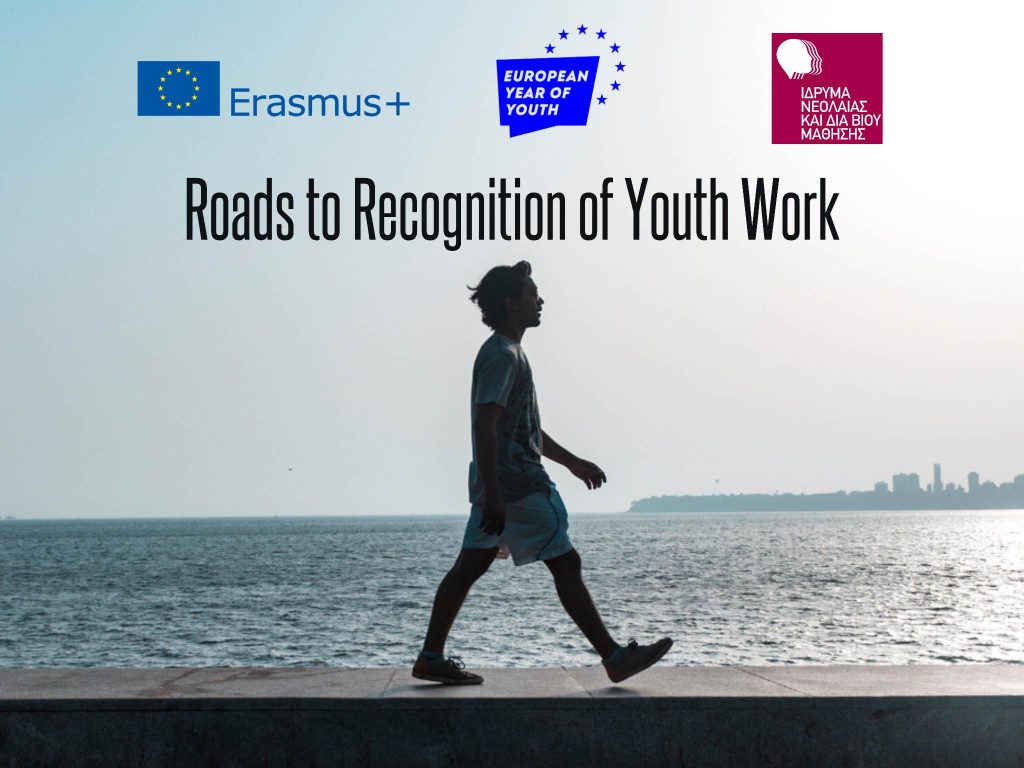
Around 18 youth workers and representatives of Association of Youth Workers from Greece and Europe joined. They’ve discussed the formal and political recognition of youth work. Hellenic Ministry of Education and Religious Affairs and the Hellenic Association of Youth Workers cooperated to organise this activity.
You can find more information here.
for the 5th European conference of the Europe Goes Local project
JINT vzw is looking for two facilitator who will be part of a team that will take care of the overall moderation and facilitation of the 5th European conference of the project called “Europe goes local – Supporting youth work on municipal level” .
Parameters of the Conference
Date: 23-25 May 2023
Venue: Stockholm, Sweden
Number of participants: ~150 pax
The specific focus of the 5th EGL event as it was agreed by the EGL Steering Group
Submitting offers
Please, send your proposal via e-mail to the project coordinator, Judit Balogh (judit.balogh@jint.be) the 30th of November 2022.
More information: Call for facilitators
Europe Goes Local contributed to the European Week of Regions and Cities via the webinar “YOUTH PARTICIPATION – How to foster youth participation in local communities?” on the 25th of October.
There were around 50 participants at the webinar from all over Europe. They were representing local and regional public authorities, youth organisations and other CSO organisations, public institutions, and funding programmes from Slovenia, Spain, France, Italy, Croatia, Romania, Finland, Czeck Republic and Belgium.
The first half of the event was a panel discussion “Youth participation, why should we care?”. Three organisations, including Europe Goes Local (EGL), presented their good practices financed by different EU funding.
Paloma Verdú from Altea (Spain) told the participants about several initiatives they have with young people of different countries. They created a network and found partners in other projects, NGO’s, municipalities, … One of their projects is a volunteering program for young people in different countries. They also get volunteers from different countries who come work with them. In another initiative, they train young people to become a leader by offering to lead a group in a youth mobility project. They also offer traineeships. In all these initiatives, young people learn through non-formal education. The young people also get opportunities to participate in youth exchanges in Europe.
Tomaž Vencelj, mayor of the Municipality of Idrija (Slovenia), introduced the second good practice Tools Of Participation. This project aimed to enable young people to become more active in politics and civil society. They worked together with 12 regions and they created action plans. The project took place from 2014 until 2018, but the municipality continues to follow the result of the project. Since the municipality was involved in this project, they still try to implement its goals today as well.
Finally, Judit Balogh presented Europe Goes Local. She explained that EGL was started in 2016 as an initiative of Erasmus+ National Agencies. At the start of the project, there were 9 countries part of the project. Now there are 35 countries, including neighbouring countries from Eastern Europe, the Caucasus, and Western Balkan, and more than 200 municipalities from all over Europe that are part of Europe Goes Local. The starting point is to help municipalities have quality youth work and to promote European opportunities. EGL wants to show that European funding can help a lot to make changes at the local level. Furthermore, she talked about EGL’s activities and the European Charter of Local Youthwork.
During the second half of the webinar, the participants were divided in smaller groups. Participants could talk in each group about their organisations, and what they’re hoping to achieve. In each group, experts were present to present the participants opportunities that could help them achieve their goals.
The different groups talked about different kinds of activities they’ve done to implement youth participation, like:
They also talked about future ideas, like:
This event was a cross-sectoral cooperation, as it wasn’t organised by the youth sector or the Erasmus+ circle, but by the EU fund programme Citizens, Equality, Rights and Values (CERV) of Slovenia. However, both CERV and E+ ESC offer mobility activities for young people. Through this event, Europe Goes Local made a bridge with CERV, another EU programme that also targets municipalities.
This webinar was organised by the CERV National Contact Point of Slovenia. CERV is the new Citizens, Equality, Rights and Values programme that was launched in 2021. This EU fund seeks to promote and protect rights and values.
“The CERV programme seeks to support and develop open, rights-based, democratic, equal and inclusive societies based on the rule of law. That includes a vibrant and empowered civil society, encouraging people’s democratic, civic and social participation and cultivating the rich diversity of European society, based on our common values, history and memory.”
You can also find the report by CERV here.
Facebook from the CERV international page